Australia’s approach to building Asia literacy is facing renewed scrutiny, with concerns that national efforts remain too focused on international engagement while overlooking the Asian communities already living across the country.
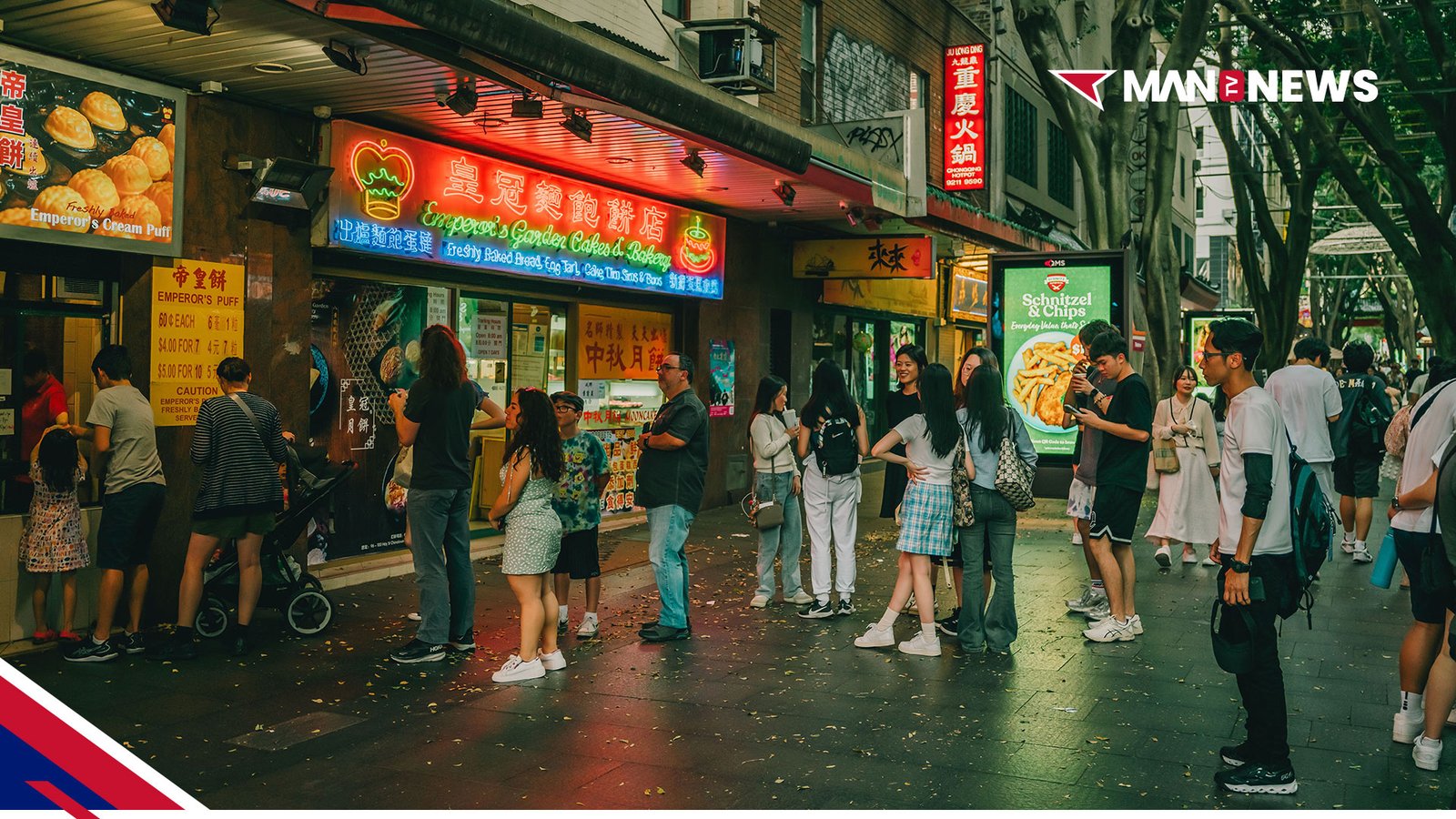
A recent analysis published by the Lowy Institute highlights the gap between Australia’s growing cultural diversity and its approach to language education. Around 17 per cent of Australians identified as having Asian ancestry in the 2021 Census, while millions of households use Asian languages at home.
Mandarin, Arabic, Vietnamese, Cantonese and Punjabi were among the most widely spoken languages other than English in Australian homes in 2021. However, languages commonly taught in Australian schools include Japanese, French and German, creating a mismatch between the languages students encounter in classrooms and those widely used within Australian communities.
Language skills can also have practical benefits in everyday Australian life. They can help professionals working in healthcare, emergency services, education, law enforcement and other public services communicate more effectively with people from diverse backgrounds.
One example highlighted in the analysis involved an Ambulance Victoria paramedic who used Mandarin to communicate with the family of an infant receiving emergency medical care. Such situations demonstrate how language capability can strengthen connections within Australia, as well as international relationships.
Australia has historically promoted Asia literacy as a way of improving trade, diplomacy and engagement with regional countries. However, the growing Asian-Australian population means these capabilities can also serve domestic purposes, including community engagement and social cohesion.
Language learning among students remains relatively limited. OECD data cited in the analysis found that only 36 per cent of Australian students were studying a second language in 2018.
The discussion comes as public support for multiculturalism has shown signs of softening. In 2025, 75 per cent of Australians surveyed by the Australian Bureau of Statistics agreed that cultural diversity was beneficial to society, down from previous years.
The debate highlights a broader question for Australia: whether Asia literacy should primarily prepare Australians to engage with Asia overseas, or also help Australians better understand and connect with the diverse communities already at home.
Hint: The password should be at least eight characters long. To make it stronger, use upper and lower case letters, numbers, and symbols like ! " ? $ % ^ & ).









 English