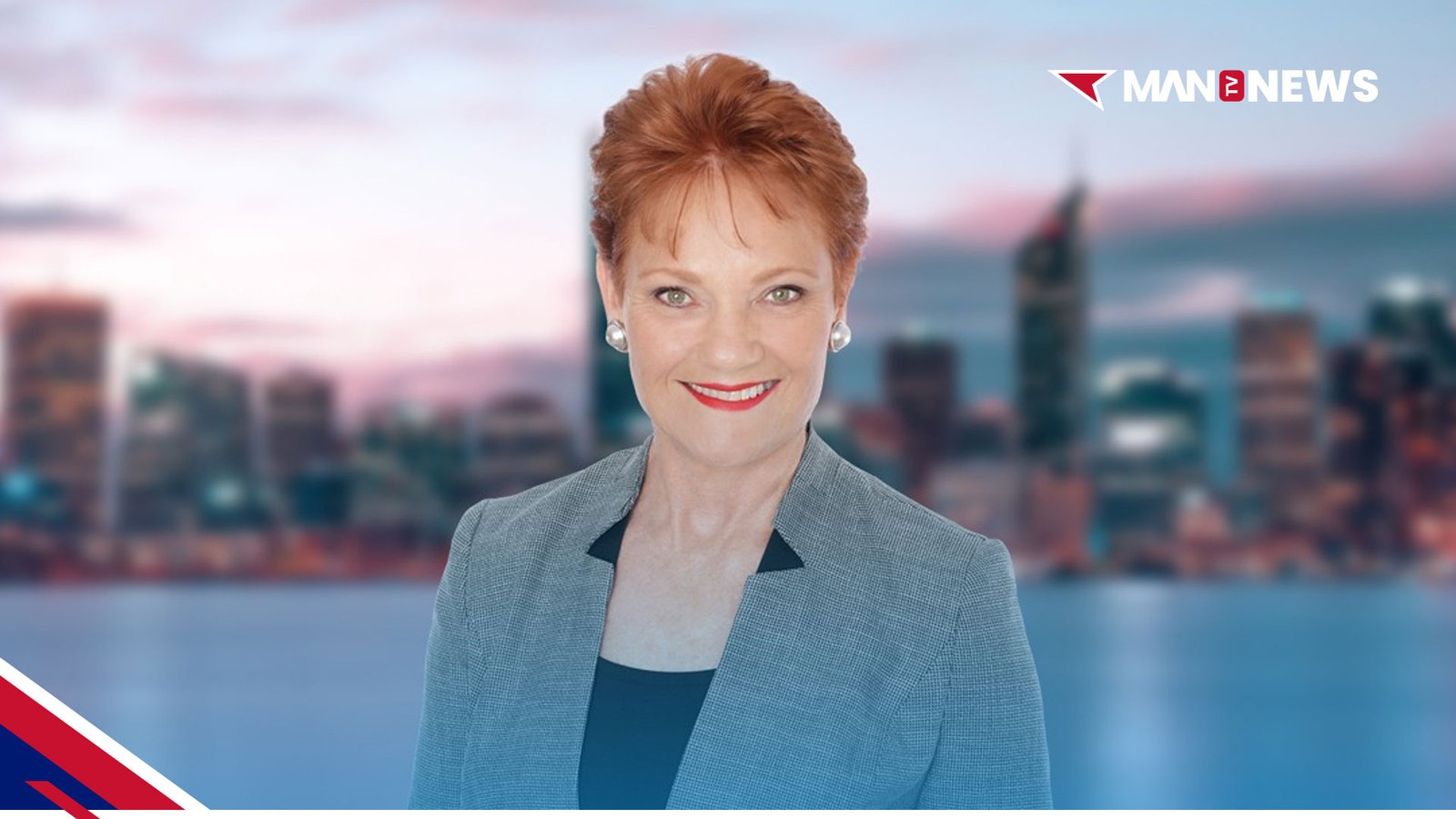
Australia’s migration debate has intensified as One Nation leader Pauline Hanson ramps up pressure on the Albanese government over its planned immigration changes, arguing that current migration levels are placing additional strain on housing, infrastructure and essential services.
Hanson has accused both Labor and the Coalition of being concerned about the growing public focus on migration, claiming her party’s strong stance on reducing migrant numbers has shifted the political conversation. She argued that the government’s decision to delay a planned announcement on immigration reforms reflected internal divisions and pressure from different factions within Labor.
The controversy follows Home Affairs Minister Tony Burke’s postponement of a National Press Club address, where he was expected to outline changes to Australia’s migration settings. The delay has fuelled speculation about disagreements within the government over how aggressively net overseas migration should be reduced.
Opposition figures have criticised the government’s handling of the issue, with Liberal frontbencher James Paterson claiming Labor was not prepared to deliver a clear migration strategy. He argued that the government had increased migration significantly and was now responding only after the issue became politically difficult.
However, industry groups have warned against making sharp cuts to skilled migration. The Minerals Council of Australia said reducing access to skilled workers could create a “talent crunch” across mining and other critical sectors, affecting productivity, investment and economic growth.
The government has defended its approach, saying migration policy must balance economic needs, workforce shortages and population pressures. Labor has argued that skilled migrants play a vital role in sectors including construction, healthcare, aged care and technology, while acknowledging the need to align migration levels with housing supply and infrastructure capacity.
The debate comes as Australians continue to face pressure from rising rents, limited housing availability and cost-of-living challenges. Critics argue that population growth must be matched with faster housing construction and infrastructure investment, while supporters of skilled migration warn that reducing migration too quickly could worsen labour shortages.
With migration becoming an increasingly important political issue, both major parties are under pressure to present clear plans ahead of the next election cycle. The government faces the challenge of balancing economic growth with community concerns, while opposition parties seek to capitalise on growing frustration over housing affordability and population pressures.
Hint: The password should be at least eight characters long. To make it stronger, use upper and lower case letters, numbers, and symbols like ! " ? $ % ^ & ).









 English