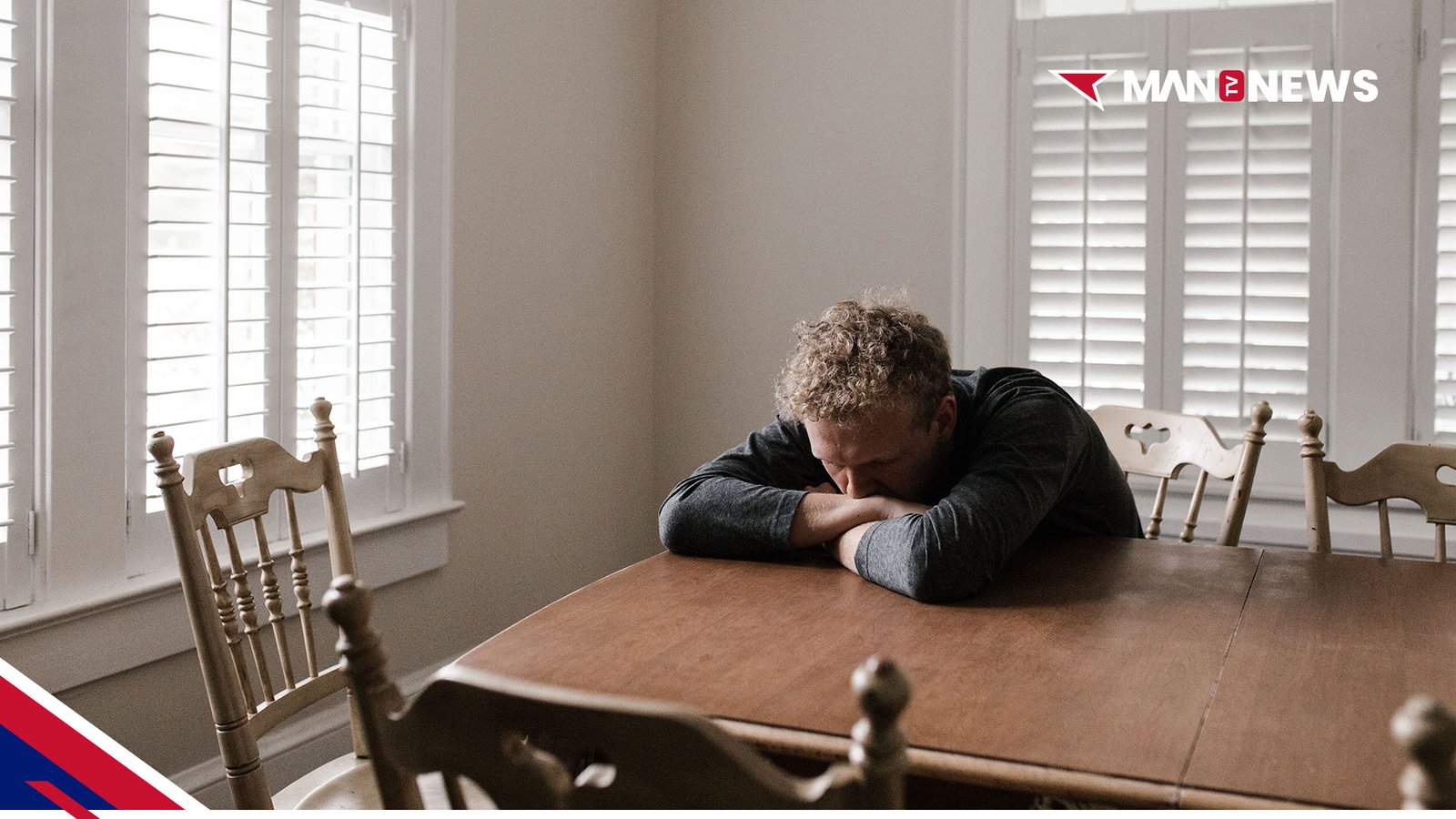
For millions of men, saying “I’m fine” can be easier than explaining what is actually going on.
The scale of the wider mental health challenge is difficult to ignore. In Australia, 18 per cent of men aged 16 to 85 experienced a mental disorder in the previous 12 months, according to the Australian Institute of Health and Welfare. Across the population, more than one in five Australians in that age group experienced a mental disorder during the same period.
The issue extends far beyond Australia. The World Health Organization estimates that more than one billion people worldwide are living with a mental health disorder.
Yet mental health is not only about diagnosis. It is also about connection. The WHO estimates that one in six people globally experiences loneliness, with young people among those most affected.
For men, loneliness can be particularly difficult to identify and discuss. Emotional distress may appear as irritability, withdrawal, difficulty maintaining relationships or an intense focus on work and achievement rather than as an obvious mental health problem.
Younger men are also navigating an increasingly complicated digital environment. Social media can offer community and support, but it can also expose vulnerable users to online groups built around rigid ideas about masculinity, success and relationships.
For someone already struggling with identity or isolation, those messages can provide an appealing sense of certainty and belonging.
At the same time, traditional expectations have not disappeared. Men can still feel pressure to be financially successful, emotionally resilient, physically strong and capable of solving problems without asking for help.
The result can be a generation caught between old expectations of toughness and new expectations of emotional openness.
Mental health professionals increasingly emphasise the importance of emotional literacy, being able to recognise and name feelings before they become overwhelming.
That does not mean every difficult period requires a diagnosis. But understanding whether you are lonely, anxious, frustrated, overwhelmed or simply exhausted can make it easier to decide what kind of support is needed.
The first step may be surprisingly simple: stop saying “I’m fine” automatically, and ask what you actually mean.
Hint: The password should be at least eight characters long. To make it stronger, use upper and lower case letters, numbers, and symbols like ! " ? $ % ^ & ).









 English