A belt of hot, dry air sweeping across eastern Australia is driving a severe heatwave and priming large areas of the country for dangerous bushfires. Meteorologists warn the combination of soaring temperatures, low humidity and strong winds is creating ideal conditions for new fires to ignite and existing blazes to flare up.
In New South Wales, the first major heatwave of the season is peaking, with western Sydney and inland districts expected to climb into the low 40s, while coastal suburbs swelter in the high 30s. The Bureau of Meteorology has highlighted a broad zone of concern stretching from around Newcastle down past Batemans Bay and inland through central NSW, where very hot, windy conditions overlap with dry vegetation.
Fire authorities have imposed total fire bans across Greater Sydney and several other NSW districts as they brace for the risk of lightning‑sparked blazes from forecast thunderstorms. As of this morning, dozens of fires are burning across the state and several remain uncontained, keeping crews stretched and prompting warnings for residents to review their bushfire survival plans and avoid activities that could start new fires.
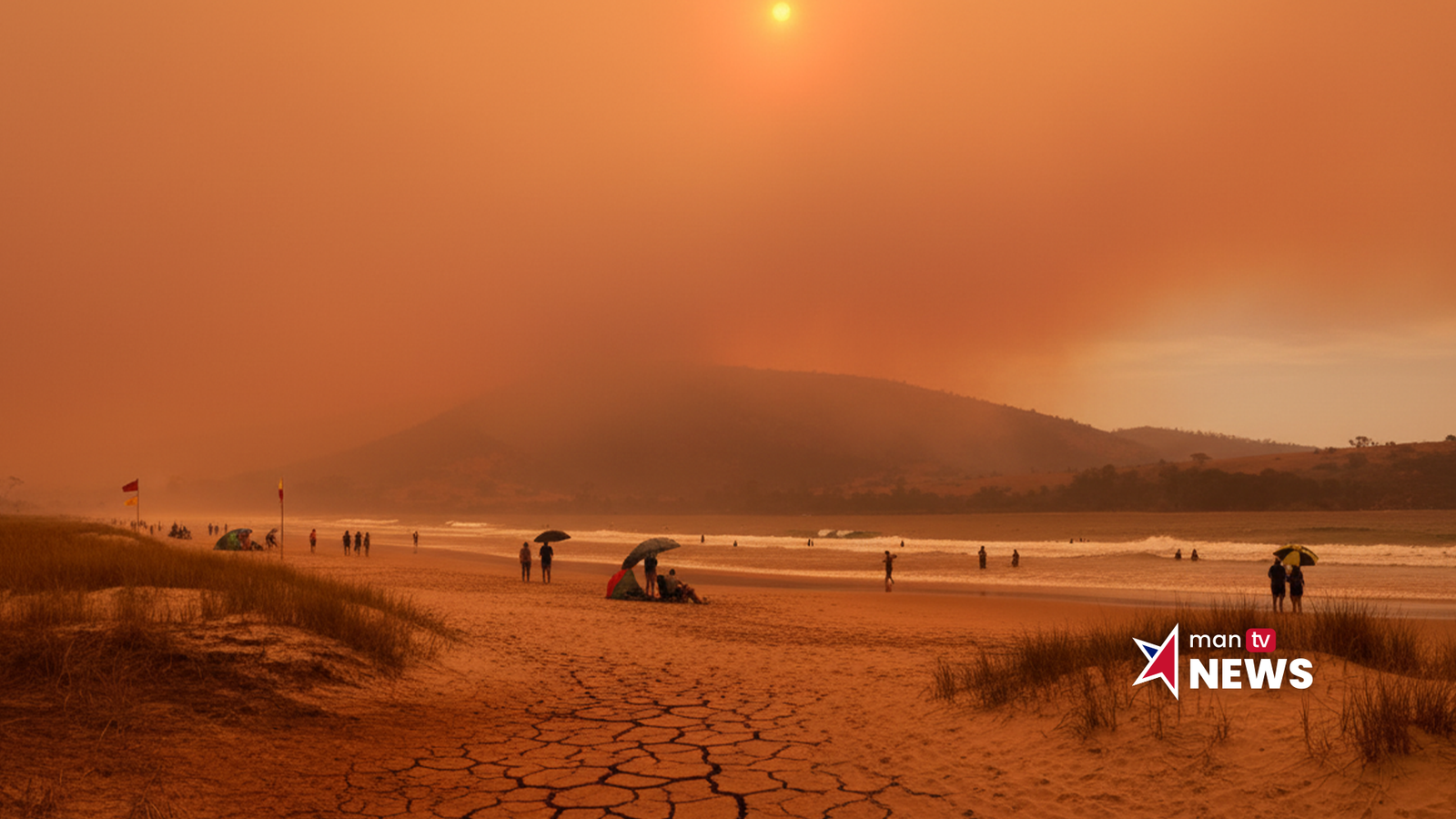
Further south, Tasmania is counting the cost of a destructive bushfire that tore through Dolphin Sands on the east coast, where intense winds and dry conditions helped push flames through coastal bushland. Around 19 homes and multiple outbuildings and vehicles have been damaged or destroyed, two firefighters have been injured, and authorities say some residents will face up to a week without power because of damage to dozens of power poles.
Tasmania Fire Service is maintaining a watch‑and‑act alert for the Dolphin Sands fire, urging evacuated residents not to return while emergency crews and contractors work through the burn area to make it safe and complete damage assessments. Air and ground tankers are being used to strengthen containment lines around a fireground that has already scorched more than 700 hectares, although cooler temperatures and showers forecast for the island state should give firefighters some relief.
In New South Wales, emergency warnings issued for a blaze near Beni Road outside Dubbo and a bushfire near Bulahdelah on the mid‑north coast have recently been scaled back as conditions temporarily eased, allowing crews to get the upper hand. However, smoke from the Pacific Highway fire near Bulahdelah continues to drift south over the Lower Hunter, Central Coast and towards Sydney, prompting advice that residents in these regions may see and smell smoke even if they are far from the active fire fronts.
Looking beyond the weekend, forecasters expect the worst of the heat to ease over southern parts of Australia and much of NSW from Sunday, but warn that oppressive conditions will redevelop across northern Australia and Western Australia early next week. Meteorologists describe a “heat conveyor” pattern, with hot air masses repeatedly shifting across the continent and keeping large areas in a cycle of recurring heatwave and elevated fire danger.
Hint: The password should be at least eight characters long. To make it stronger, use upper and lower case letters, numbers, and symbols like ! " ? $ % ^ & ).









 English