Growing concern is emerging across Australia as a significant rise in influenza cases places increasing pressure on the healthcare system. The situation is drawing attention to the potential impact on hospitals, emergency services, and vulnerable populations.
Recent reports indicate that more than 25,000 flu infections have been recorded nationwide, reflecting a sharp increase compared to previous weeks. Health experts note that a new strain of influenza, identified as “Super-K” H3N2, is contributing to the surge, with particular concern for its impact on children and other high-risk groups.
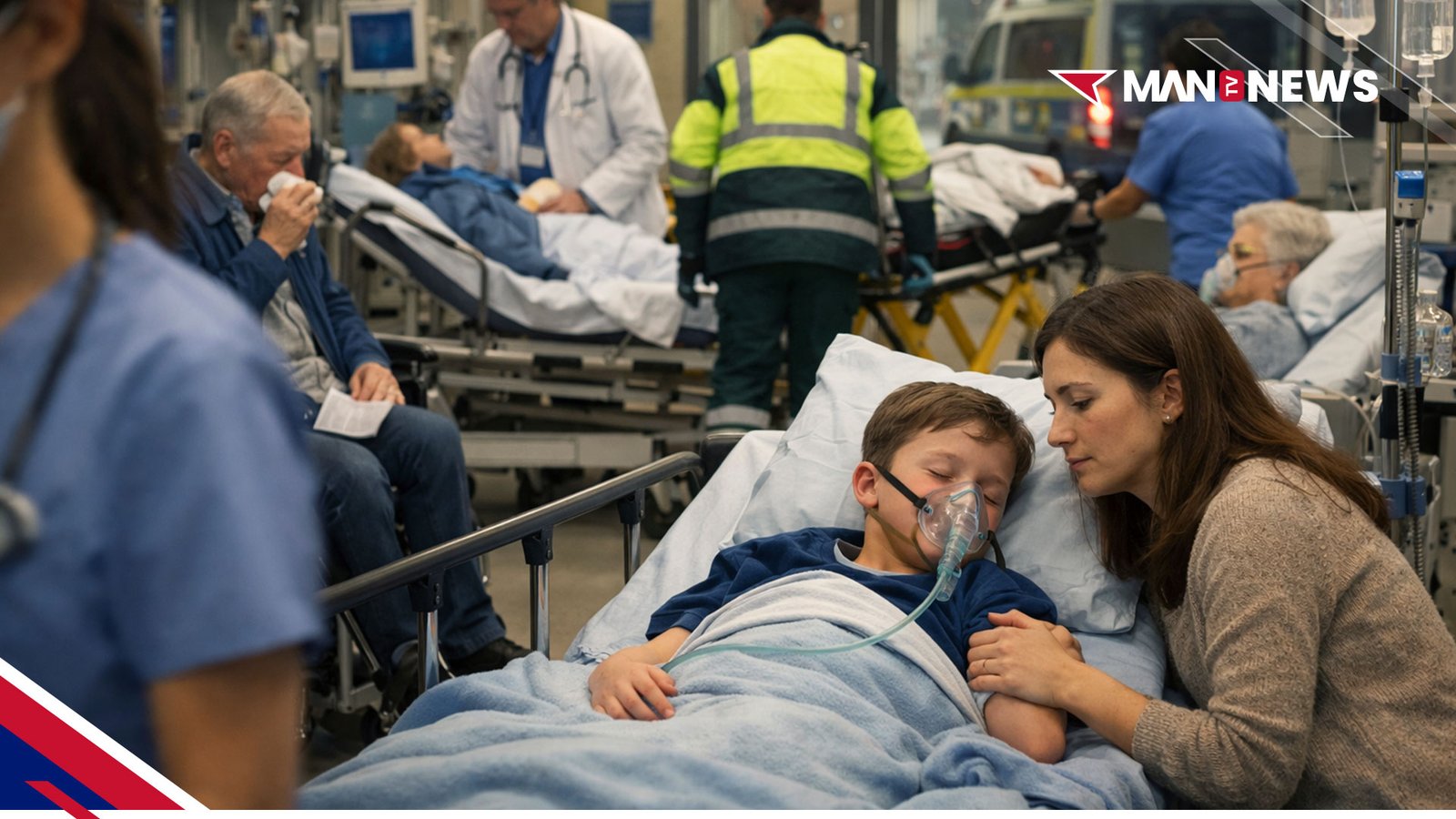
Medical professionals warn that the rapid spread of the virus could lead to increased hospital admissions and strain on ambulance services, similar to the pressures experienced during last year’s severe flu season. They emphasise that early detection and timely treatment are critical in managing the spread and reducing complications.
Health authorities emphasize that influenza can lead to serious illness, particularly among young children, the elderly, and individuals with underlying health conditions. Symptoms such as high fever, fatigue, and respiratory complications may require medical attention in more severe cases.
Experts are encouraging the public to take preventative measures, including vaccination, maintaining good hygiene practices, and staying home when experiencing symptoms. They stress that proactive action can help reduce transmission and protect both individuals and the broader community.
Authorities acknowledge the rising case numbers and indicate that monitoring and response efforts are ongoing, with healthcare services preparing to manage increased demand during the peak flu period.
Hint: The password should be at least eight characters long. To make it stronger, use upper and lower case letters, numbers, and symbols like ! " ? $ % ^ & ).









 English