






Housing Growth Slows Nationally as Affordability Crisis and Rate Pressures Dampen Major City Markets
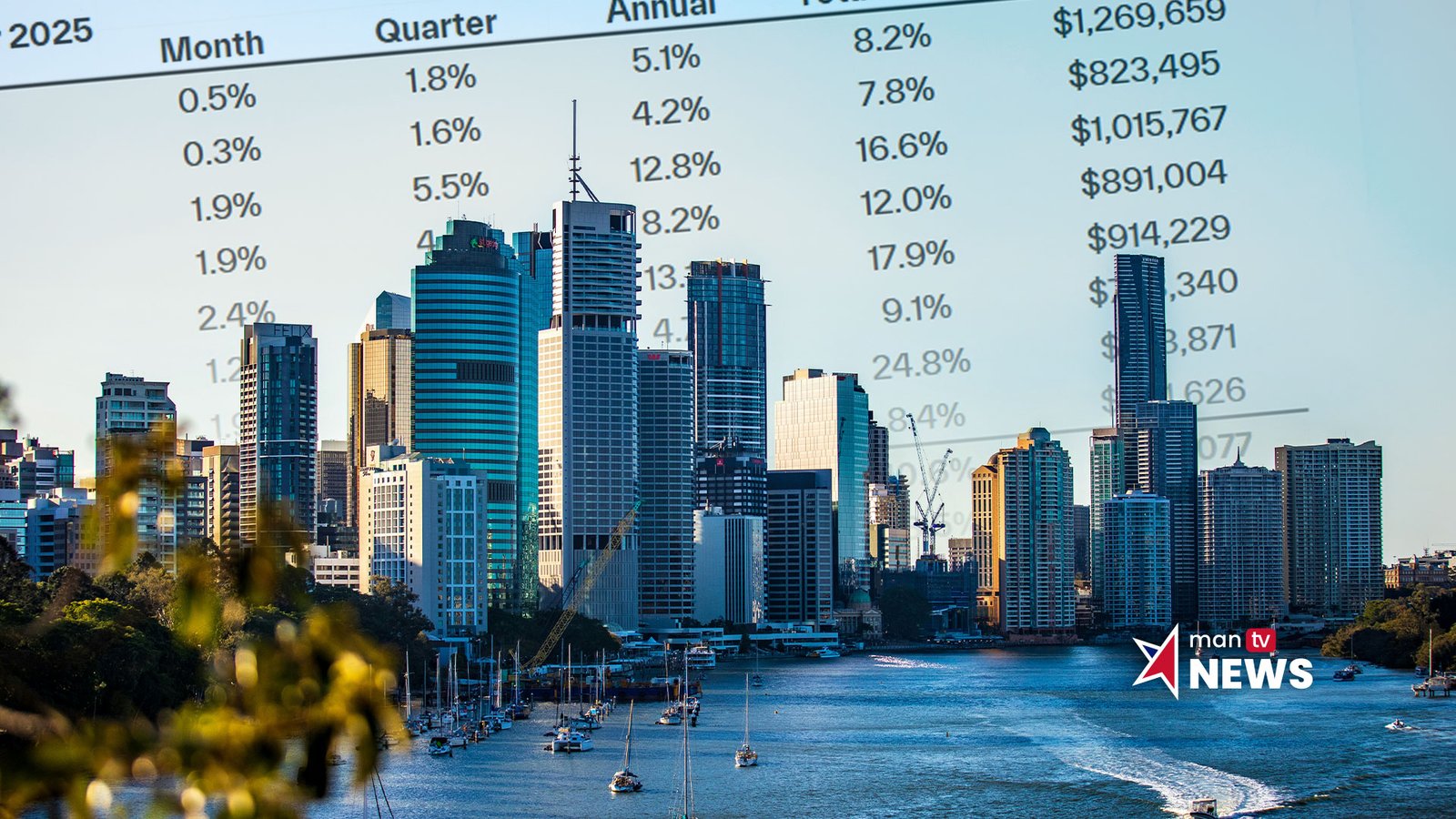
Australian national home values recorded a 1.0% increase in November, marking the third consecutive month that values have risen by one per cent or more, according to Cotality’s national Home Value Index. However, the pace of growth is showing signs of moderation, easing slightly from the 1.1% gain recorded in October.
The headline growth figure was significantly weighed down by Australia’s two largest cities, Sydney and Melbourne, which are facing increasing affordability constraints. Meanwhile, mid-sized capitals are dramatically outperforming the larger markets, a trend similar to that seen in late 2023 and 2024.
Mid-Sized Cities Surge Ahead
Every capital city, apart from Sydney and Melbourne, recorded a value rise of at least 1.0% through November. Perth led the nation with a solid 2.4% surge in dwelling values. Brisbane also showed strong growth, recording a 1.9% rise.
Cotality’s research director, Tim Lawless, highlighted the significant skew towards the mid-sized capitals, noting that the surge in Perth is especially evident. In Perth, listings are holding more than 40% below average while buyer demand remains elevated. The 2.4% monthly rise in Perth added just over $21,000 to the median in November, which equates to roughly $5,000 per week.
In contrast, Sydney recorded a monthly rise of 0.5% and Melbourne was up 0.3%. The lower gain in Sydney is likely reflective of affordability constraints putting a ceiling on growth. Sydney’s monthly growth rate appears to have peaked at 0.9% back in August. Furthermore, Sydney has a smaller supply deficit than the capital city benchmark, with listings tracking only 2.2% below the five-year average, compared to the benchmark of about 16% below average.
Affordability and Serviceability Remain Stretched
The subtle easing in national growth coincides with several indicators pointing to headwinds for the housing market. Auction clearance rates have trended lower since peaking in mid-September, falling below the decade average by mid-November. Both Sydney and Melbourne saw clearance rates hold in the low 60% range through the second half of November.
A major factor is the record levels of housing unaffordability. Affordability metrics from the September quarter show a record high in the national dwelling value-to-household income ratio, where the median dwelling value is 8.2 times higher than the annual pre-tax household income. The income required to service a mortgage at the median value is near record levels, at 45.0%.
Mr. Lawless warned that these economic factors will likely affect housing sentiment going forward:
“With inflation once again above the RBA’s target range and rates potentially on hold for the foreseeable future, it’s likely housing sentiment will suffer,” Mr. Lawless said. “With housing affordability already stretched and worsening, it stands to reason that fewer borrowers will be able to access credit as serviceability barriers become more prominent”.
The flow-through effect of stretched affordability and serviceability is already visible, with housing value growth skewed towards lower price points of the market. Over the past three months, most state capitals have seen values across the lower quartile rising the fastest. The exception is Melbourne, where affordability is slightly less stretched, and the broad middle of the market is experiencing the fastest lift in values.
Regarding future regulatory changes, the impact of the recent policy announcement from APRA—to limit high debt-to-income (DTI) ratio loans to 20% of new lending—is expected to be limited. Mr. Lawless noted that the majority of recent mortgage originations remain significantly below a DTI of six or more. Though the new credit policy is scheduled for implementation in February next year, Mr. Lawless believes it is only “likely to only affect the margins of borrowing activity”.


 English