






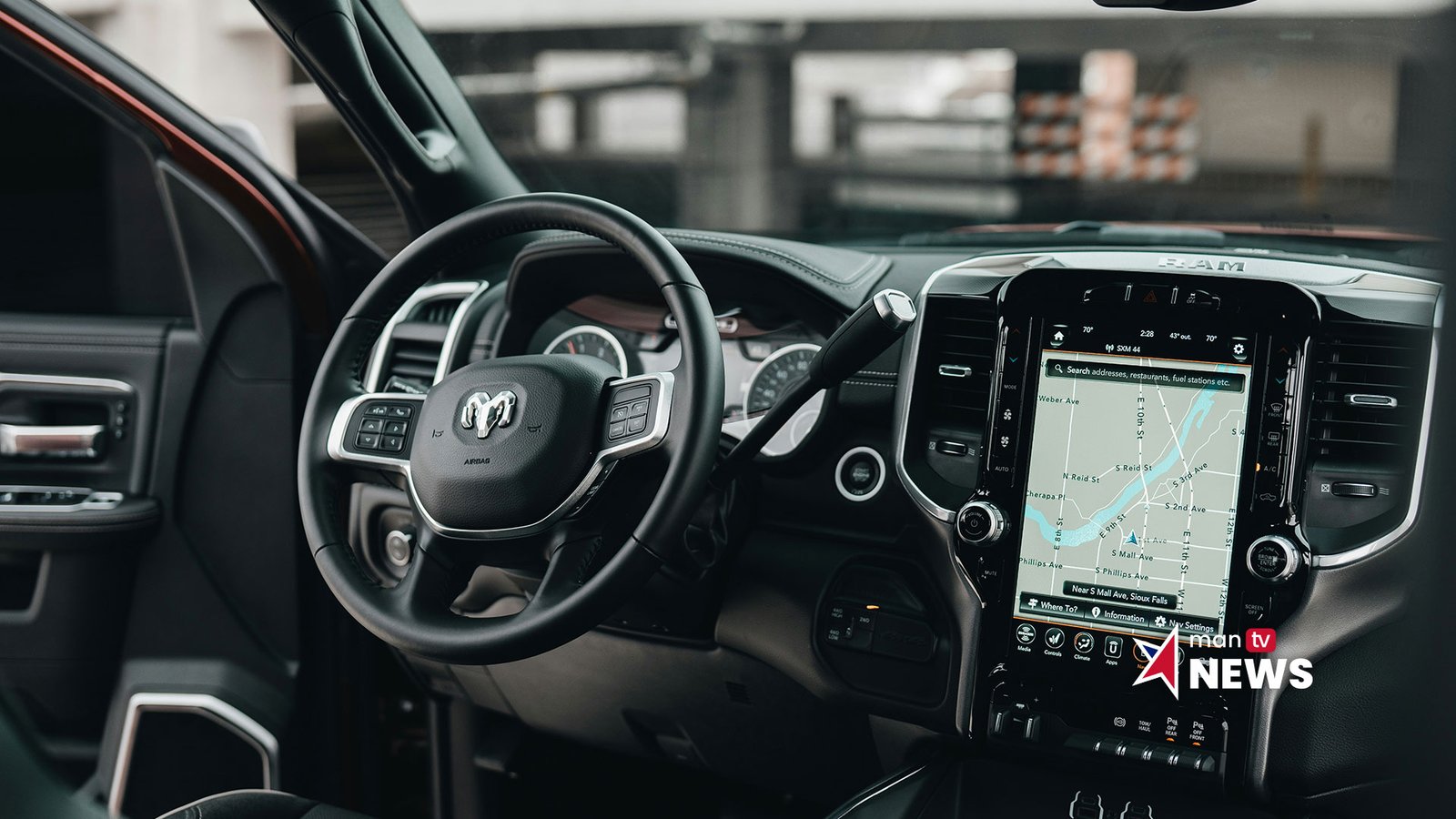
eSafety warns that smart cars are being used as a domestic violence tool
eSafety is urgently raising the alarm over the misuse of smart vehicles, which are emerging as a new tool for domestic violence perpetrators to monitor, track, and intimidate victims. The agency is urging Australians to recognize how modern smart car features can be exploited for technology-facilitated coercive control.
This warning comes after eSafety received reports from frontline workers through its dedicated Technology-Facilitated Abuse Support Service, which assists staff in applying safety planning to digital devices.
Exploiting Connectivity
eSafety Commissioner Julie Inman Grant highlighted that as more Australians purchase cars connected to the internet and other smart devices, abusers are exploiting these features to spy on and gaslight their partners.
Reports received by eSafety’s service detail several alarming scenarios, including abusers:
- Accessing trip histories to keep tabs on a partner’s movements.
- Remotely locking doors or changing the heating to intimidate victims.
- Using kill switches to prevent victims from traveling beyond certain distances.
Ms. Inman Grant emphasized that a vehicle, which is often “crucial for escape,” is being used as a mechanism to trap and control in these situations. The source material notes that location tracking is one of the biggest risks to a victim-survivor’s safety when they are planning to leave a violent situation, which can lead to the violence escalating and taking new forms.
The technical foundation of this abuse relies on the fact that most smart vehicles have built-in GPS systems and telematics platforms that record real-time location, trip histories, and geofencing alerts. This personal data can be accessed through companion apps on smartphones or web portals, or shared via synced accounts.
A Broader Pattern of Technology-Facilitated Control
The misuse of smart vehicles forms part of a broader pattern of technology-facilitated coercive control. Frontline services report that this abuse is becoming increasingly complex due to the interconnected nature of popular smart devices—the Internet of Things (IoT)—which collect and store personal data. These devices range from smartwatches and tablets with synced accounts to smart TVs, security cameras, and thermostats.
Minister for Social Services, Tanya Plibersek, called the weaponization of technology by perpetrators “a new frontier that we have to tackle”, noting that technology-facilitated abuse is one of the greatest and most rapidly evolving challenges in tackling domestic and family violence.
Domestic Violence Crisis Service ACT CEO Sue Webeck added that technology is pervasive and its benefits can quickly become a “lethal risk factor” for someone experiencing domestic violence, noting that people are often not used to assessing their safety based on devices like smart bulbs or smart fridges. Commissioner Micaela Cronin stressed that it is vital to center people with lived experience to build understanding of how this abuse is enacted and how it can be prevented.
When a woman seeking help arrives at a shelter, frontline workers often perform a thorough check of their phone, car, smartwatch, and personal belongings to identify and destroy tracking devices and software.
Call for Urgent Industry Action
With estimates suggesting that more than 90 per cent of new cars sold in Australia by 2031 will have embedded connectivity, Ms. Inman Grant declared that there is a need for “urgent action to make them safer”. She likened the required safety improvements to the industry’s need for their “next ‘seatbelt moment’”, stating that these are “solvable design issues” if safeguards are built in from the start.
eSafety is calling on companies to embed safety into smart car devices and accounts, specifically demanding:
- Emergency lockouts and safe transfers: Manufacturers must provide a simple, documented way to revoke all access and transfer ownership during separation without requiring contact with the other party.
- User-visible audit logs: These systems should offer a clear history of account access, location pings, and remote commands that can be exported for use as evidence.
- Retailer and dealership standards: Dealerships must always reset devices or accounts when cars are sold or change owners, and staff must be trained to do this safely for people experiencing abuse.
eSafety’s latest Online Safety Advisory focuses on smart devices and the Internet of Things to help victim-survivors and frontline workers understand these risks. Practical safety steps for victims, recommended to be taken with the support of a frontline service, include resetting account control on a ‘clean’ device (using private details and strong passphrases), revoking access everywhere (logging out of companion apps and unlinking shared IDs), and requesting that a dealer reset telematics and remove former users.


 English