






One Day of Peace: World Leaders Turn Christmas 2025 into a Call to Stop the Wars
From the Vatican to Berlin and Ottawa, global political and religious leaders are turning Christmas 2025 into a plea for ceasefires, compassion and solidarity, urging people to lay down weapons and rebuild trust after a year scarred by war, economic strain and terror attacks from Ukraine to Bondi Beach.
In Rome, Pope Leo XIV has used his first Christmas as pope to issue one of the strongest global appeals of the season, calling for “at least 24 hours of peace” in all the world’s wars on Christmas Day. Expressing “great sadness” that Russia appears to have rejected the idea of a brief truce in Ukraine, he asked “all people of good will” to pressure for a pause in fighting, declaring that even a single day of silence from the guns would honour the child born in Bethlehem.
The pontiff has also linked his Christmas message to deeper criticism of a “distorted economy” that treats human beings as commodities and fuels conflict, urging Christians to become a “prophetic sign” of peace in a fragmented culture. Speaking particularly to young people, he has challenged them to “make peace with someone this Christmas”, reminding them that harmony begins not in parliaments but in ordinary gestures at home, in parishes, schools and sports clubs.
Across the Atlantic, Canadian Prime Minister Mark Carney has told Canadians that the country is “strongest when we’re united, when we look out for each other, when we take care of each other,” sending Christmas and holiday wishes “from my family to yours” and urging people to support neighbours under pressure. In Germany, Chancellor Friedrich Merz and President Frank-Walter Steinmeier have both used their Christmas messages to ask citizens to pause, draw strength from gatherings with family and friends, and recommit to peace, security and prosperity after a year marked by political tension and economic challenges.
Christian leaders have woven those geopolitical themes into pastoral messages of comfort and hope. The president of the Uniting Church in Australia has reminded communities that “Christ, the prince of peace, is born among us… he offers comfort to the grieving, healing to the wounded, hope to the despairing,” blessing people “this Christmas and in the year of grace 2026”. Australian bishops and other church leaders have said that, despite fires, floods, conflict and the shock of the Bondi terror attack, the Christmas story insists that “light will always conquer darkness”.
Interfaith solidarity has also become part of this year’s Christmas narrative. Letters from Catholic leaders overseas to Australia have promised “prayers and solidarity” after the Bondi Hanukkah shooting that left 16 people dead, praising the Muslim man who helped disarm a gunman as a sign that compassion can still break through hatred. In joint statements, Pope Leo and the Archbishop of Sydney have condemned antisemitic violence, with the Pope declaring “enough with these forms of antisemitic violence” and Archbishop Anthony Fisher saying an attack on Jews is “an attack on all of us” as Christians prepare to celebrate the birth of a Jewish Messiah.
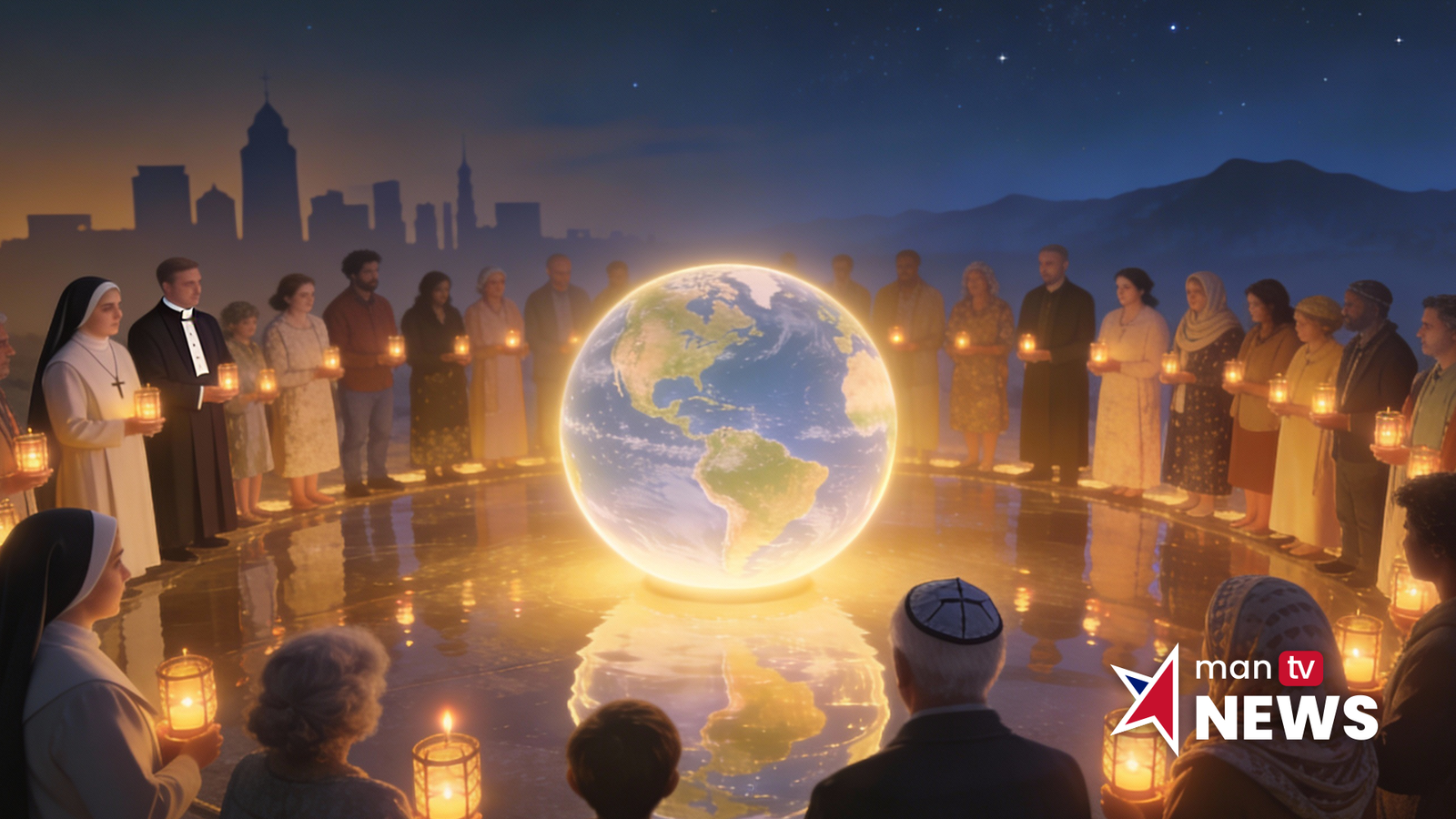
For multicultural audiences in Australia and around the world, these Christmas 2025 messages converge on one idea: peace is not just a slogan for cards and carols, but a test of whether governments, faith communities and ordinary people are willing to change. From calls for a 24-hour ceasefire in war zones to appeals for everyday reconciliation in families, the world’s leaders are inviting people to make this Christmas a turning point – even if it begins with a single day without violence and a single step towards a more humane future.


 English