






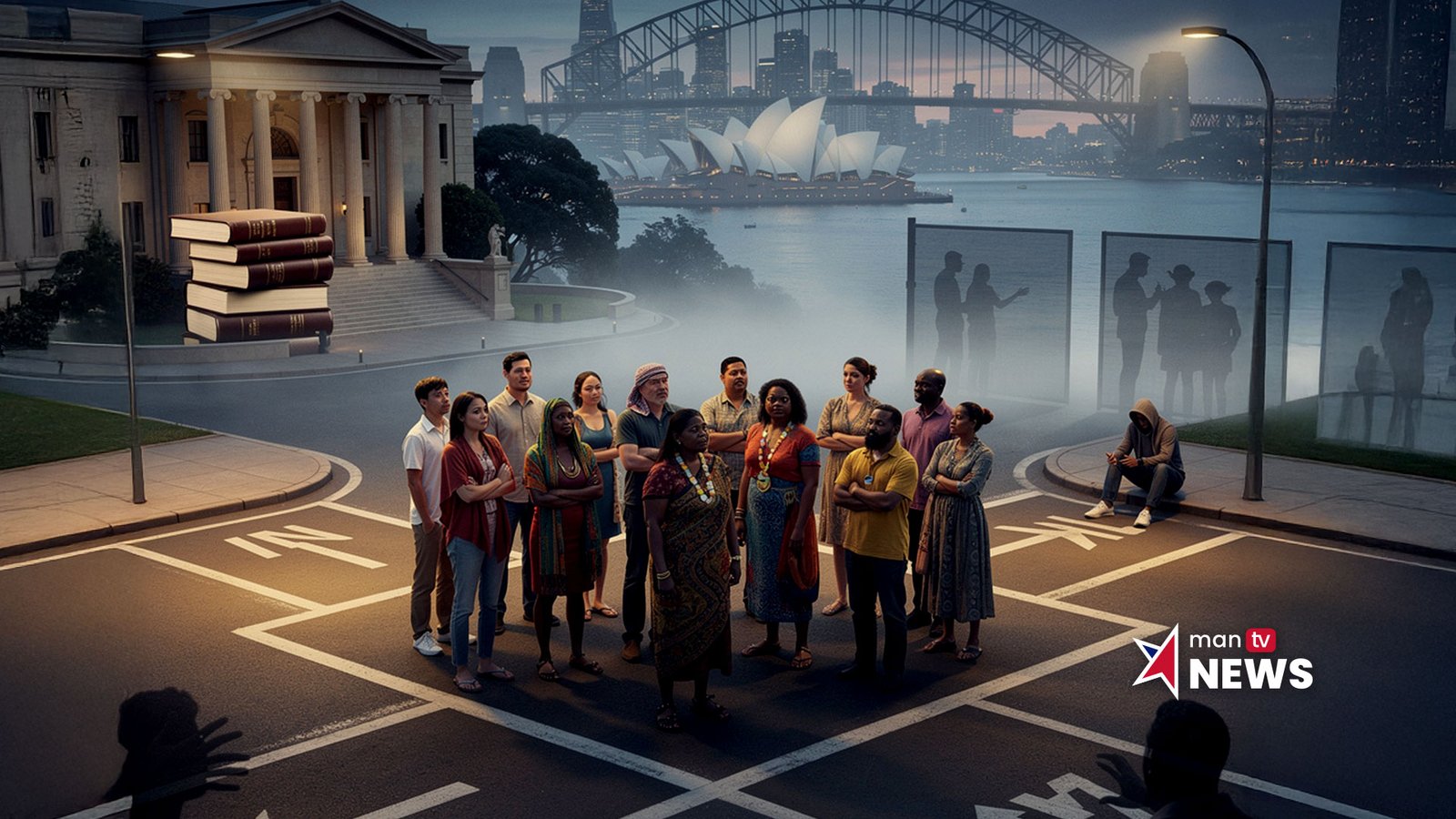
Multiculturalism at a Crossroads: Are Australia’s Laws Missing the Real Harm?
As war, geopolitics and online conflict spill into daily life, experts warn that Australia’s multicultural framework still struggles to see harms that arrive as narratives, not just incidents a blind spot shared with other Western democracies.
Context: WA debate and a national blind spot
Western Australia is consulting on a new Multicultural Act that aims to lock in principles of respect, fairness and participation for culturally diverse communities. Policy practitioners say those principles remain sound but were built for an era when governments assumed tension emerged from localised incidents of prejudice, not from global conflicts echoing through news cycles and political debate.
In recent years, language around wars, terrorism, border control and social cohesion has increasingly filtered into workplaces, schools and community spaces, often long before any complaint, protest or security issue surfaces. This can shape whether Muslim, Arab, Jewish, South Asian, African and other minority communities feel they are treated as full participants in public life, or silently coded as potential risks who must constantly explain themselves.
Narrative harm: beyond “park the war at the door”
The Independent Australia article “The blind spot in Australia’s multicultural laws” argues that the familiar instruction to “park the war at the door” no longer works in an era where global conflicts are lived via phones and social feeds. Asking people to separate their identity, grief and fear from daily life may sound neutral, but it can force communities to absorb stress privately while broader society refuses to acknowledge the pressure.
Freedom of expression remains a core democratic value, and robust debate on foreign policy is essential. However, practitioners warn that government and media language around security, extremism and migration can unintentionally legitimise suspicion towards whole communities, even when there is no evidence of individual wrongdoing. Over time, this “narrative harm” can narrow civic participation, thin trust and erode the informal community networks that governments rely on when tensions rise.
Global parallels: secularism, symbols and social cohesion
Australia is not alone in struggling to balance equality, security and freedom of belief. In France, laws restricting conspicuous religious symbols in public schools including Sikh turbans and Muslim headscarves have been justified as necessary to protect secularism and neutrality in education. Yet the UN Human Rights Committee has found that expelling a Sikh student for wearing a turban breached his right to manifest his religion, ruling that such a blanket ban and harsh penalty were unnecessary and disproportionate where there was no concrete threat to public order.
International reports continue to document high numbers of secularism-related incidents in French schools, with government memoranda citing thousands of alleged infringements and new debates over clothing such as the abaya. Supporters say firm secular rules safeguard gender equality and protect students from pressure, while critics argue they stigmatise minorities and send a message that some identities are always suspect within public institutions.
What this means for Australia’s next steps
For Australia, the WA debate is an opportunity to modernise multicultural governance so it can recognise both direct discrimination and the slower accumulation of narrative harm. Community advocates argue that any new Multicultural Act should explicitly require governments to consider how foreign policy statements, security briefings and public campaigns may land in communities already under scrutiny, especially during global crises.
Rather than pretending conflict can be left at the doorstep, the challenge is to acknowledge how it actually arrives via headlines, talkback scripts, hashtags and everyday conversations. If laws, policies and media practice can better account for those realities, Western Australia could become an early model for how a mature multicultural democracy manages disagreement, protects rights and sustains social cohesion in a world where the “local” and the “global” can no longer be kept apart.


 English