






Movies News
Inflation Surprise Eases Pressure on RBA, But Sticky Price Growth Keeps Rate Hike Risk Alive
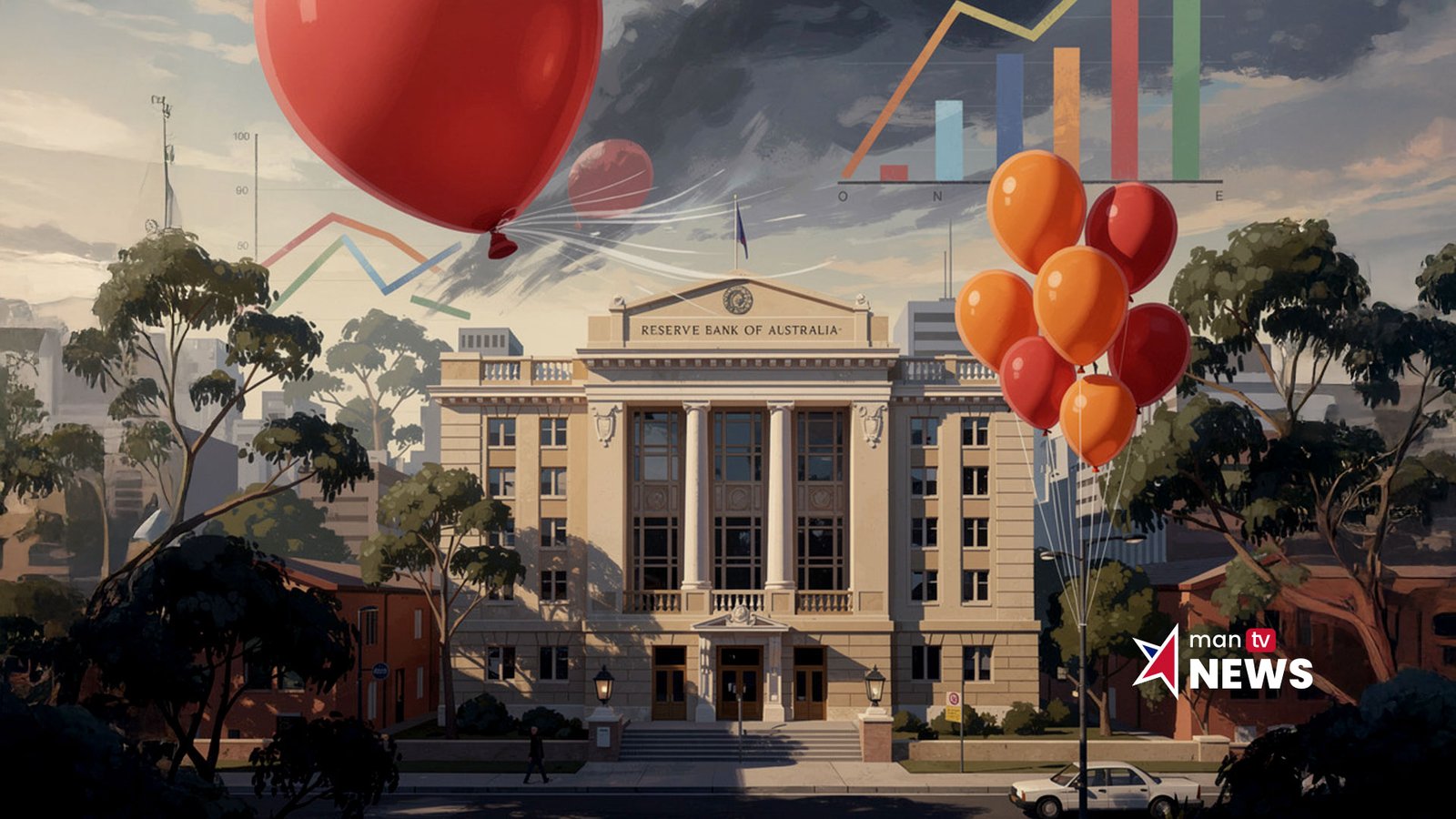
Australia’s latest inflation figures have cooled more than expected, easing pressure on the Reserve Bank of Australia (RBA) to deliver another interest rate hike in February, but price growth remains above the bank’s comfort zone and a move cannot yet be ruled out. Economists are split, with some arguing the softer numbers justify a pause while others say sticky underlying inflation still points to further tightening in 2026.
Inflation cools, but not enough
- A total of 344 invitations were issued in the first skilled migration round of 2026.
- 235 invitations went to the permanent Skilled Nominated visa (subclass 190), while 109 were for the regional Skilled Work Regional (Provisional) visa (subclass 491).
- Across the 2025–26 program year so far, 931 invitations have been issued under South Australia’s General Skilled Migration (GSM) program, representing just over half of last year’s total intake.
Who is being invited?
- The Australian Bureau of Statistics reports annual headline inflation at 3.4 per cent in November 2025, down from 3.8 per cent in October and below market expectations of 3.6 per cent.
- The RBA’s preferred underlying measure, the trimmed mean, eased only slightly from 3.3 per cent to 3.2 per cent over the year, remaining above the 2–3 per cent target band and highlighting that core price pressures are still elevated.
What’s driving prices
- Housing continues to be a major driver, with annual housing inflation above 5 per cent and new dwelling prices up 2.8 per cent over the year to November, while rent growth has slowed modestly to around 4 per cent.
- Electricity prices rose 19.7 per cent over the year after state energy rebates rolled off in Queensland, but analysts and the RBA see this as a temporary policy-driven effect and are more focused on stickier components such as market services and construction costs.
Queensland households in focus
- The end of electricity rebates in Queensland has translated into a sharp jump on household power bills, stretching budgets even as overall inflation eases nationally.
- For mortgage holders in Brisbane and across south-east Queensland, the softer inflation print raises hopes that the RBA may keep the cash rate on hold in the near term, offering some breathing space after an extended period of cost-of-living pressure.
What it means for interest rates
- Financial market pricing and major-bank commentary suggest the probability of a February rate hike has fallen, with softer-than-expected inflation introducing downside risk to December-quarter forecasts that the RBA will examine before its first meeting of 2026.
- NAB economists, including Taylor Nugent, still warn that a 0.3 per cent monthly rise in the trimmed mean in November is consistent with around 0.8–0.9 per cent underlying inflation for the December quarter “too hot for comfort” if the RBA judges that progress back to target is too slow.
Divided economic views
- Some forecasters, including teams at Westpac and sections of the real-estate and retail industry, argue that the latest figures show inflation on a clear downward path, strengthening the case for the RBA to hold rates steady and avoid further strain on households and small businesses.
- Others, including NAB and several independent analysts, contend that resilient services inflation, a still-tight labour market and the risk of renewed price pressures mean further “recalibration” of policy potentially through one or two additional rate rises in 2026 remains firmly on the table.


 English