






QLD Health Issues Summer Alert for Cryptosporidiosis Following Record 2024 Case Spike
QLD Health Issues Summer Alert for Cryptosporidiosis Following Record 2024 Case Spike
Queensland Health has issued an alert regarding the risk of cryptosporidiosis this summer, urging residents to prioritize good hygiene habits as they seek relief from the heat in local pools and water parks.
Cryptosporidiosis, commonly known as crypto, is a gastrointestinal illness caused by a parasite called Cryptosporidium and is a frequent cause of acute diarrhoea. The risk of contracting the illness increases as more people enjoy recreational water activities during the summer months.
Queensland consistently records higher numbers of crypto than anywhere else in Australia, recording its highest number of reported cases in 2024. The state recorded over 6,100 cases across the state in 2024, which was more than four times the total recorded in 2023, and nearly eight times higher than the five-year average. While annual crypto notifications tend to fluctuate, typically peaking every three to five years, current case numbers are trending lower, with only 630 cases recorded up until the end of November this year.
Transmission and High-Risk Groups
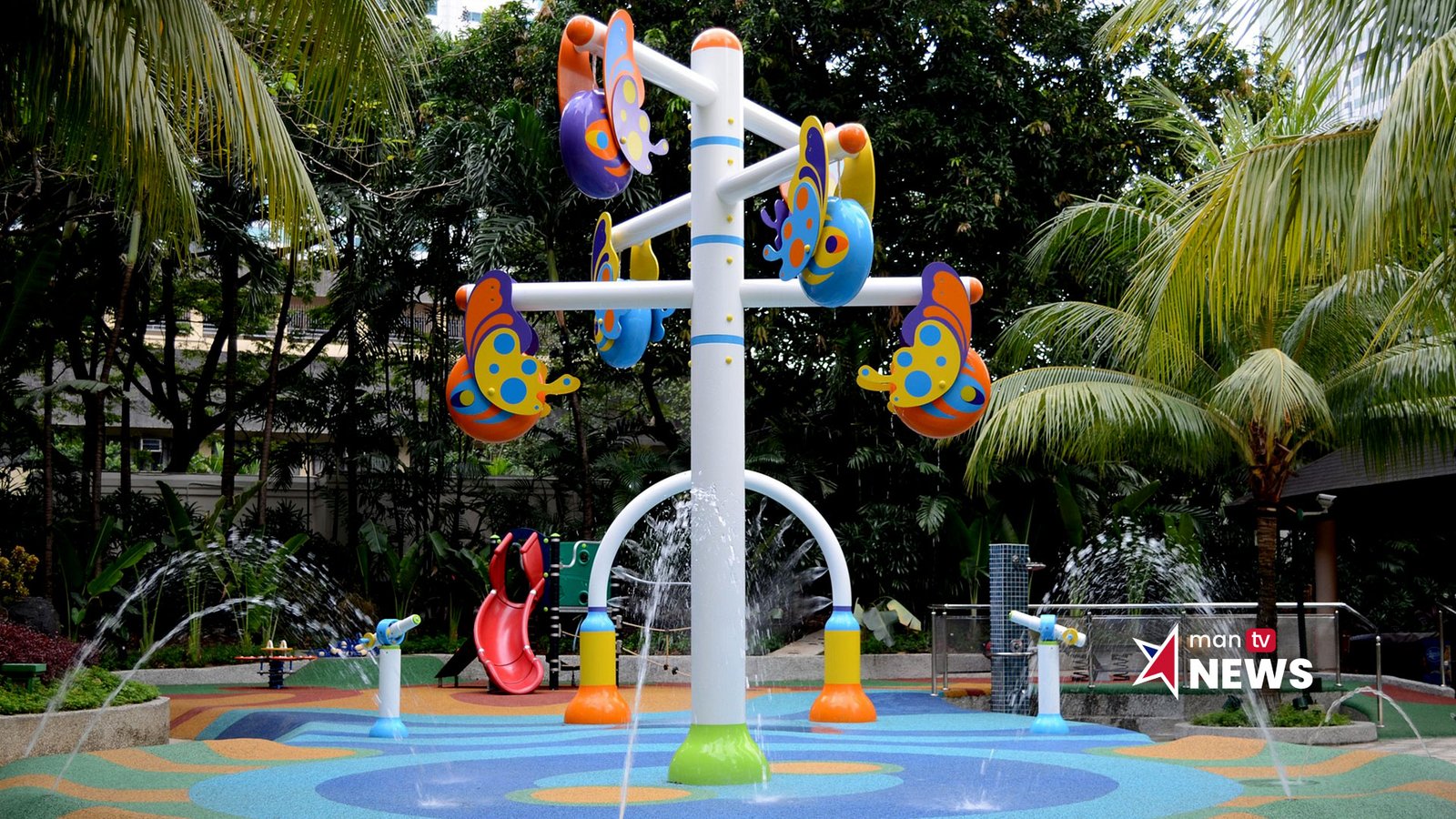
Crypto spreads easily from person to person, especially in household and childcare settings, and can also be contracted from handling infected farm animals and pets, or from contaminated food and water. Contracting the illness can also occur through swallowing contaminated recreational water at splash parks and swimming pools.
Cases are most common in two demographic groups: children up to the age of nine and adults aged between 30 and 39. Symptoms of the illness typically include watery diarrhoea, though patients may also experience headache, abdominal pain, fever, nausea, vomiting, and loss of appetite.
Hygiene and Exclusion Measures Crucial
Dr. Heidi Carroll from Queensland Health’s Communicable Diseases Branch emphasized that taking precautions through good hygiene practices is vital to protecting the wider community.
Dr. Carroll stressed that strict rules must be followed for those recovering from the illness. Children who have had diarrhoea should not return to school or childcare until at least 24 hours after their symptoms have stopped. Food handlers and health care workers must remain away from work for at least 48 hours following their last episode of diarrhoea, alongside maintaining strict hand hygiene. Because individuals can remain infectious even after symptoms settle, they must avoid swimming while they have diarrhoea and for two weeks after it has stopped.
If symptoms are severe, prolonged, or worsening, individuals should seek medical advice. People with weakened immune systems are at increased risk of severe or prolonged illness and should seek advice early.
Key Prevention Directives:
Queensland Health has issued clear guidance on how to prevent the spread of cryptosporidiosis:
DO:
- Wash your hands thoroughly after using the toilet or changing nappies, before eating or handling food, and after contact with soil, pets, cattle, or other farm animals.
- Shower before and after swimming in pools and splash parks.
- Wash fruit and vegetables before consumption.
- If water quality is unknown, boil untreated water for at least one minute before drinking.
DON’T:
- Swallow water in swimming pools or other recreational bodies of water.
- Drink untreated or inadequately filtered water.
- Avoid swimming in natural waters, such as creeks, rivers, dams, or surf, within a week following heavy periods of rain.
- Avoid consuming unpasteurized milk products.
- Do not share linen or towels while diarrhoea is present and for two weeks after diarrhoea has stopped.


 English