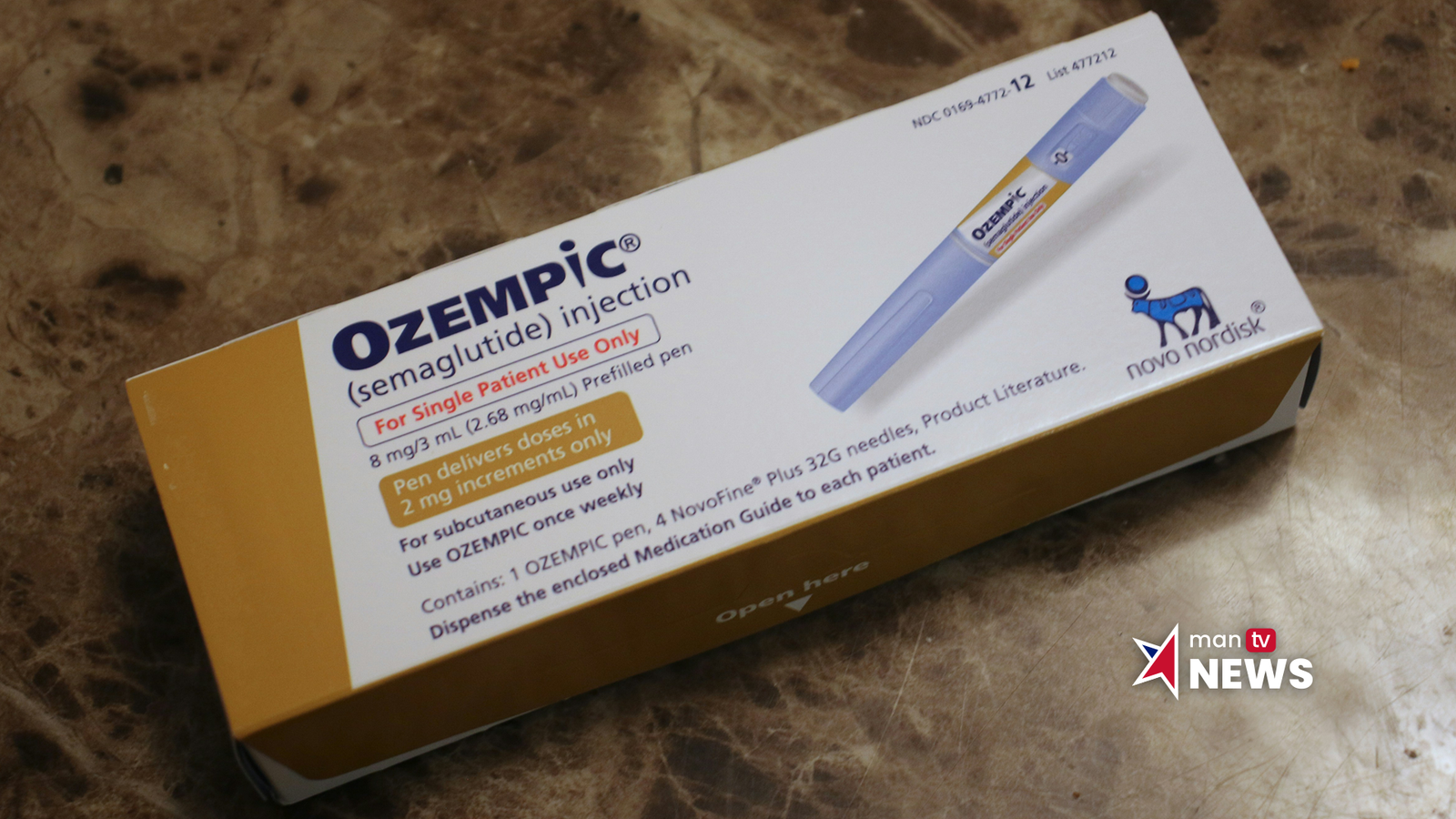
Federal Health Minister Mark Butler has signalled that weight-loss medications such as Ozempic initially developed for type 2 diabetes could soon become more affordable for Australians living with obesity, as the government considers listing them on the Pharmaceutical Benefits Scheme (PBS).
Speaking on ABC Radio National, Minister Butler confirmed that manufacturers have formally applied to the Pharmaceutical Benefits Advisory Committee (PBAC) to list GLP-1 agonist drugs for the treatment of obesity, particularly in patients with elevated cardiovascular risk.
“They’ve put an application in to consider one of these drugs you say Ozempic, but there are a number of them, called GLP-1s for PBS listing to treat people with a particular level of obesity and some cardiovascular disease risk,” Mr Butler said. “So very shortly we’ll receive that advice.”
Currently, hundreds of thousands of Australians are using GLP-1 medications through private prescriptions, often spending between $4,000 and $5,000 a year. Mr Butler acknowledged that cost remains a major barrier and that a PBS listing could make these drugs accessible to many more patients.
“I’ve asked those same experts to provide me with advice about ways we can ensure equitable access to this new, very significant range of drugs,” he said. “Governments across the world are trying to work out how to tap into the benefits of these medicines in an equitable way.”
While Australians eager for cheaper access may have to wait a little longer, Mr Butler suggested the process was advancing swiftly.
“It’s unlikely we’ll make progress before Christmas, but the experts are getting close to finalising their advice. It’ll probably be early next year now,” he said.
A recent medRxiv study underscores the surging demand for these drugs. It found that monthly sales of GLP-1 receptor agonists in Australia exceeded half a million units in 2024–25 a tenfold rise over five years.
The report estimated that between May 2024 and April 2025, more than six million units were sold nationwide, led by semaglutide (63.3%) and tirzepatide (30.7%). Overall, usage equated to 18 out of every 1,000 Australians taking the medication at a standard daily maintenance dose, with six per 1,000 obtaining it privately.
If approved, the PBS listing could mark a turning point in Australia’s approach to treating obesity shifting the drugs from luxury to necessity for those most in need.
Hint: The password should be at least eight characters long. To make it stronger, use upper and lower case letters, numbers, and symbols like ! " ? $ % ^ & ).









 English