






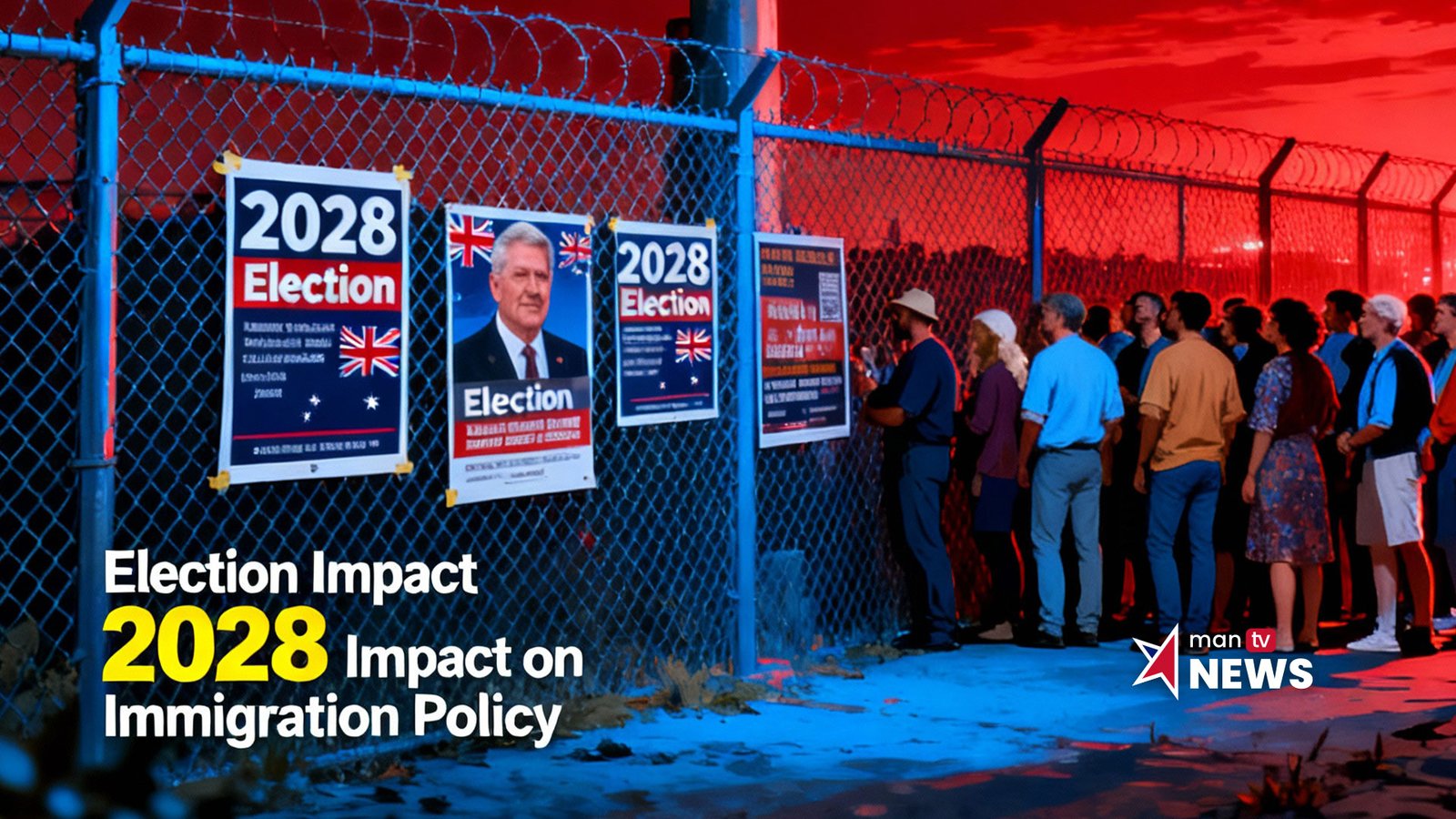
Coalition Signals Sharp Migration Cuts Ahead of 2028 Poll
CANBERRA — Australia’s opposition Coalition has begun outlining one of the most ambitious immigration reductions in three decades, with senior figures confirming on 18 November that a future government would “significantly” slash both skilled migration and international student visa allocations.
Deputy Liberal leader Sussan Ley and shadow home affairs minister Jonno Duniam told party colleagues and media that any Coalition administration would tie migration levels directly to state capacity to deliver housing, hospital beds and school places—a framework that could push net overseas migration well below Treasury’s 260,000 projection for 2025–26.
Howard-Era Numbers Back on the Table
While the opposition will not release headline targets until closer to the 2028 federal election, backbench MPs are already advocating for a return to Howard-era permanent intake levels of approximately 100,000 per year. The push reflects growing concern within conservative ranks that demand-driven migration is exacerbating housing unaffordability and overwhelming infrastructure in major cities.
Moderates inside the party have urged caution, warning that messaging must avoid stigmatising multicultural communities and that any reduction must be accompanied by robust workforce planning to ensure critical skills gaps—particularly in construction and healthcare—can still be filled.
Business and Education Sector Push Back
The announcement has triggered immediate pushback from industry and tertiary-education leaders. Commonwealth Bank chief executive Matt Comyn told a recent parliamentary committee hearing that Australia’s ageing demographics require a minimum annual intake of 180,000 migrants to sustain workforce growth and tax receipts.
Universities Australia has raised alarm over potential impacts on the sector, noting that international students now represent one in four enrolments and generate billions in export revenue. A sharp contraction in student visas could trigger campus job losses and hit regional economies heavily reliant on student spending, the peak body warned.
Pressure Mounts on Albanese Government
Policy analysts say the Coalition’s move intensifies political pressure on the Albanese government, which held the 2025–26 permanent migration program steady at 185,000 places while tightening temporary visa pathways for students and workers.
If the Coalition wins office, it will inherit recently implemented reforms including the three-stream Skills in Demand visa and elevated financial and English-language thresholds for student applicants. Unwinding those measures would require fresh legislation, while enacting deep cuts without parallel investment in housing construction could deepen labour shortages and drag on GDP growth, according to Deloitte Access Economics modelling.
Uncertainty Ahead for Sponsors and Providers
For employers and education providers, the immediate reality is uncertainty: visa settings may swing again within a three-year horizon. Migration practitioners are advising sponsoring employers to accelerate nominations under current rules, while universities may need to diversify source markets beyond high-risk jurisdictions already facing heightened scrutiny.
Mobility teams should begin scenario planning for a smaller skilled migration stream, extended processing times for employer sponsorship, and possible new levies on student visas if the Coalition seeks to offset revenue losses from program reductions.
The debate over Australia’s migration settings is set to remain a dominant theme through the 2028 election cycle, with major implications for workforce supply, university finances and regional development strategies across the country.


 English