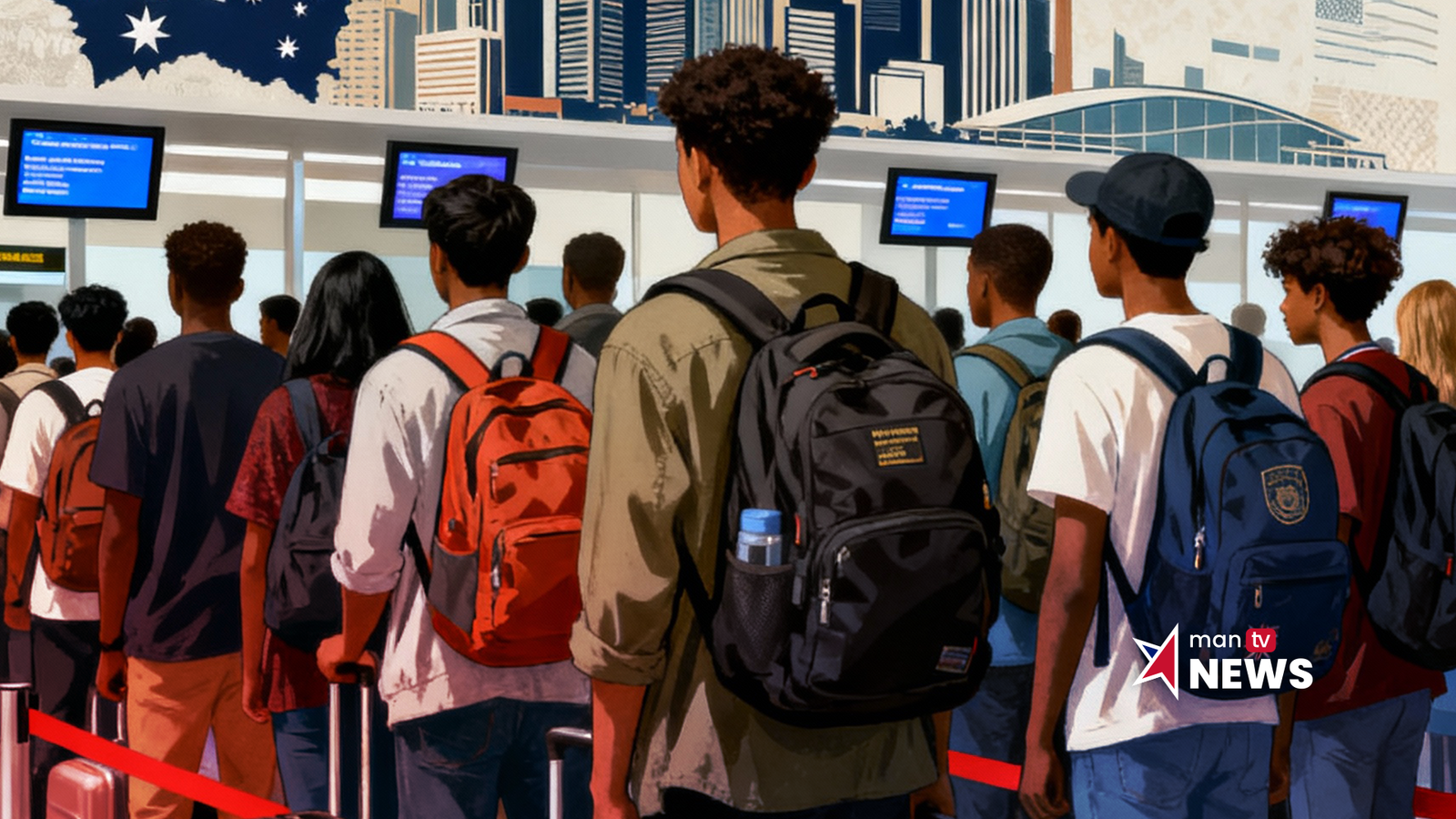
Australia’s temporary visa population has surged to a record 2.9 million people, intensifying pressure on the federal government to overhaul the migration system ahead of the 2026 election campaign. The blow‑out is driving fierce debate over housing, jobs and fairness for both migrants and the broader community.
Record numbers on temporary visas
New data shows about 10 per cent of Australia’s population is now living in the country on temporary visas as of October 2025, a level 70 per cent higher than in 2019 and above the pre‑pandemic peak. The largest groups are international students (around 638,000) and New Zealand citizens on Special Category visas (about 731,000), with sharp growth also in Temporary Graduate, Working Holiday-Maker and bridging-visa cohorts.
System under strain
Experts warn a system originally built for short‑term stays is increasingly being used as a long, uncertain pathway to permanent settlement. More than 402,000 people are now on bridging visas, contributing to administrative congestion and long wait times. The Administrative Review Tribunal is dealing with a record 124,000‑case backlog, dominated by student and protection‑visa appeals, raising concerns about fairness and efficiency.
Calls for major policy reset
Former deputy immigration secretary Dr Abul Rizvi says the numbers show Australia has shifted from “planned permanency” to “unmanaged temporariness” and is at risk of creating a two‑tier society of permanent and perpetual temporary residents. He is urging the government to increase the permanent migration program by 50,000 places a year for the next three years and streamline appeals so people are not left in limbo for years.
Business and unions demand fixes
Business groups and unions agree the current system is not working, but for different reasons. Universities rely heavily on fee‑paying international students, while sectors such as hospitality, agriculture and aged care depend on temporary workers to fill chronic labour shortages. Employers say slow processing, sudden rule changes and patchy enforcement make workforce planning almost impossible, and the Australian Chamber of Commerce and Industry is calling for a single digital portal to track applications from lodgement to final decision. Unions, however, argue that the priority must be stronger compliance to prevent wage theft and exploitation of migrant workers in vulnerable sectors.
High political stakes ahead of 2026
Politically, the record visa numbers are fuelling a heated contest in Canberra. The Coalition accuses the Labor government of letting migration “run off the rails”, while the government says it inherited a broken system and is tightening English‑language standards, student‑visa integrity checks and employer‑sponsorship rules. With a federal election due next year and housing affordability dominating public concern, both major parties are under pressure to show how they will manage migration in a way that supports economic growth while easing pressure on rents, services and social cohesion.
Hint: The password should be at least eight characters long. To make it stronger, use upper and lower case letters, numbers, and symbols like ! " ? $ % ^ & ).









 English