






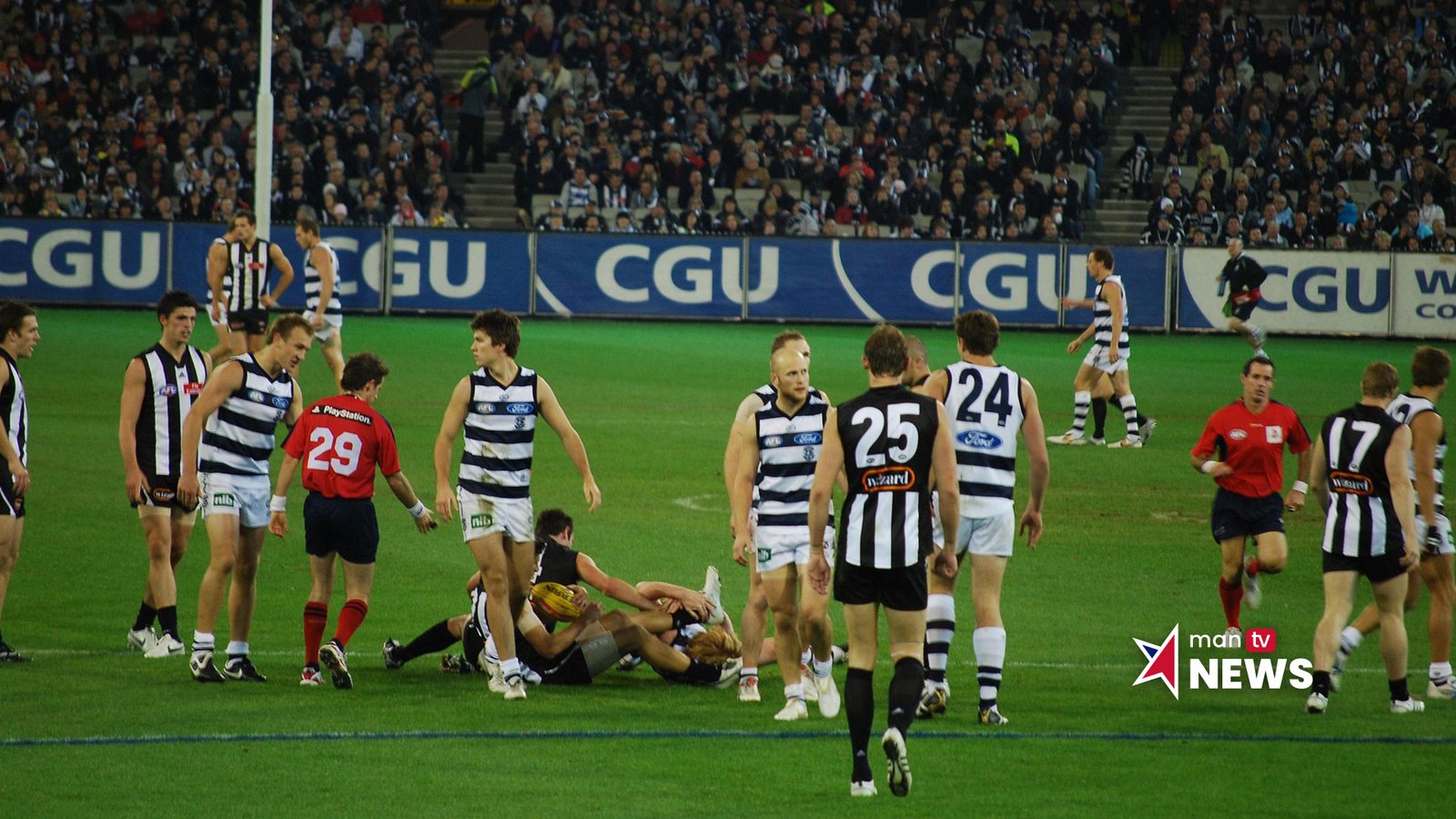
Anticipation Builds for the 2025 Telstra AFL Draft: Order, Prospects, and Complex Trading Rules
The 2025 Telstra AFL Draft is set to be held over two nights, offering dozens of young footballers the opportunity to realize their dreams and allowing clubs to secure talent for a brighter future. The draft begins tonight, Wednesday, November 19, and concludes on Thursday, November 20. The first round of selections will be completed tonight, with a selection of players present at Docklands Stadium for the event. The rest of the draft will follow on the second night. In total, it is anticipated that 50 to 60 players will be drafted this year.
Key Prospects and Draft Night Action
Expert coverage of the 2025 Telstra AFL Draft begins LIVE at 7pm AEDT. Both nights of the draft will start at 7pm AEDT. Corresponding start times for other regions include 6:30pm ACDT (South Australia), 6pm AEST (Queensland), 5:30pm ACST (Northern Territory), and 4pm AWST (Western Australia). For fans looking to follow the event, the draft will be broadcast live on Fox Footy and Kayo Sports, and ABC Sport will provide live blogs throughout both nights. Leading the excitement is the widely expected number one selection, Willem Duursma. Duursma is projected to be taken by the West Coast Eagles with the first pick. Notably, he would become the fourth Duursma sibling to join the AFL/AFLW system.
The competitive top-five mix also includes several academy and father-son prospects, adding complexity to the early selections:
- Zeke Uwland and Dylan Patterson, both members of the Gold Coast’s academy.
- Daniel Annable, a member of Brisbane’s academy.
- Harry Dean, a Carlton father-son prospect.
From the open pool of players available to all clubs, strong candidates for the top-10 selections include Sullivan Robey, Cooper Duff-Tytler, Xavier Taylor, Dyson Sharp, and Sam Cumming. Additionally, best mates Lachy Dovaston and Xavier Taylor are hoping for a possible dual landing at Essendon.
The Draft Order and Club Picks
The draft order shows the West Coast Eagles holding the first two picks in Round One: Pick 1 and Pick 2 (the latter received as compensation for Oscar Allen). The Eagles have a strong hand early, holding picks 1, 2, 13, 34, and 41 overall.
Other significant early picks include:
- Richmond holding picks 3 and 4.
- Essendon holding picks 5 and 6, forming part of a “big haul” for the club. Essendon’s total picks are 5, 6, 21, 27, and 30.
- Melbourne holding picks 7 and 8.
- Carlton holding picks 9 and 11.
The Gold Coast SUNS are set for a busy draft night, holding a league-leading number of selections:
- 15, 18, 24, 28, 29, 36, and 52.
Draft Mechanics:
- Bidding, Trading, and Father-Son Rules
The complexity of the AFL draft stems largely from the bidding system for academy and father-son selections, and the ability for teams to trade picks.
Draft Value Index and Bidding The AFL assigns a points value to each draft pick. The first pick is the most valuable, worth 3,000 points. This value decreases consistently until Pick 54—the final selection of Round Three—which is worth 14 points. Any picks following Pick 54 have no points value.
This points system is crucial because it requires clubs to “pay” when matching bids on their father-son or academy prospects who are tipped to be selected highly. When a team successfully matches a bid, they receive a 20 per cent discount on the points required. Teams are not required to match bids, which allows the player to be drafted by the bidding club. For example, Brisbane is anticipated to swiftly match any bid placed on academy prospect Daniel Annable. Trading Flexibility Since its introduction in 2018, the ability for teams to trade during the draft has added an extra layer to the process. Teams can swap their current draft picks, as well as future selections from the 2026 or 2027 drafts. Several major future selections have already been traded, including Carlton receiving a 2026 first-round pick and a 2027 first-round pick from Sydney. The Father-Son Rule The father-son rule is a unique aspect of the AFL that upholds family traditions across generations. If a player made 100 or more appearances for a single club, that club holds the right to draft the player’s son. However, clubs are not obligated to select the player under this rule. The draft, with its complex web of trades, compensation picks, and bidding wars, functions much like a high-stakes auction where clubs strategically use their points and selections—both current and future—to acquire the specific assets they believe will lead to long-term success.


 English