





Human Rights Day 2025: Australia Stands Against Rising Racism and Hate
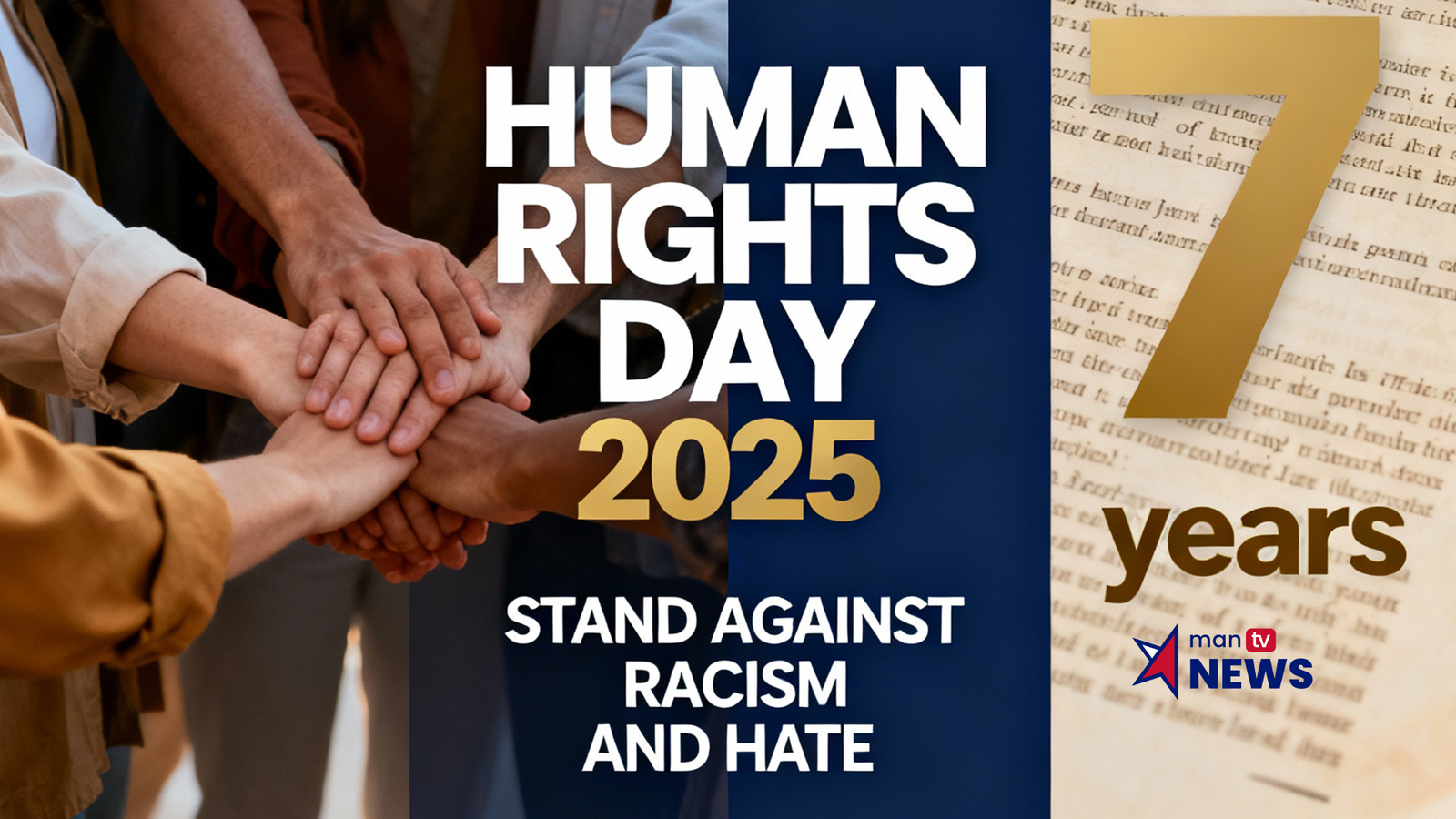
Today marks the 77th anniversary of the Universal Declaration of Human Rights (UDHR), a historic document adopted by the United Nations General Assembly on December 10, 1948. Born from the ashes of World War II, the UDHR was the first time nations collectively committed to universally protect the inalienable rights of every human being, regardless of race, colour, religion, sex, language, political or other opinion, national or social origin, property, birth or other status.
The Universal Declaration of Human Rights forms the foundation of international human rights law and serves as the standard by which human rights compliance is measured worldwide. Among its 30 articles, Article 14 enshrines a fundamental protection: “everyone has the right to seek and to enjoy in other countries asylum from persecution”. This provision became the basis of refugee protection under the 1951 Refugee Convention, to which Australia is a signatory.
A World of Growing Instability
Yet 77 years after its proclamation, Human Rights Day 2025 is observed in what the United Nations describes as a world of growing instability and turbulence. This year’s theme, “Our Everyday Essentials,” aims to reconnect people with human rights by demonstrating how they shape daily lives in ways often unnoticed.
Politics of fear and division are emboldening those who seek to undermine the very principles the declaration enshrines, with chilling glorification of some of the darkest periods in human history. In Australia, recent months have witnessed disturbing displays of hostility and intolerance directed at both migrants and First Nations people.
Rise of Racist Demonstrations in Australia
The so-called “March for Australia” rallies held on August 31 and October 19, 2025, brought thousands of predominantly white demonstrators to streets across Melbourne, Sydney, Brisbane, Perth, and Canberra. These events were marked by anti-immigration sentiment and, according to investigations by ABC News and The Age, were organised by individuals with ties to neo-Nazi and white nationalist groups, including the National Socialist Network.
In Melbourne, violent confrontations erupted between rally participants and counter-protesters. Police deployed pepper spray, flash-bangs, and rubber bullets as tensions escalated. The rallies culminated in a shocking attack on Camp Sovereignty, a sacred Aboriginal burial ground in Melbourne, where approximately 50 individuals, many dressed in black and led by National Socialist Network leader Thomas Sewell, invaded the site shouting “white power” and racial slurs.
Attackers trampled the sacred fire maintained to honour Indigenous ancestors, stomped on the Aboriginal flag, and assaulted those present, specifically targeting women. Four people sustained injuries, with one woman requiring hospitalisation. Police only arrived after the attackers had fled, and no arrests were made at the scene.
Independent Senator Lidia Thorpe, a DjabWurrung, Gunnai, and Gunditjmara woman, condemned what she termed institutional hypocrisy in handling far-right groups and has demanded a full investigation into the attack and the slow police response, which she directly linked to systemic racism.
Australia’s Race Discrimination Commissioner has warned that inaccurate and dehumanising rhetoric over migration risks fanning the flames of racism and distraction from the real causes of social and economic challenges. For people who have escaped war, torture, or persecution, these hostile displays are terrifying, and some have felt too unsafe to leave their homes.
Research confirms the persistent nature of racism in Australia. According to the 2024 Australian Reconciliation Barometer, 56% of Aboriginal and Torres Strait Islander people believe Australia is a racist country, and First Nations peoples’ experiences of racism have significantly increased over the last decade, with 54% reporting experiences of racism in 2024 compared to 39% in 2014. Younger First Nations peoples experience racism at particularly high levels, with 68% of those aged 25-34 reporting racial prejudice.
Offshore Detention Corruption Exposed
Adding to the human rights concerns, explosive revelations have surfaced about Australia’s offshore detention system. In November 2025, a confidential report from Australia’s financial crime agency AUSTRAC revealed that the Australian Government had known for years about suspected corruption involving senior Nauruan officials before signing a new multibillion-dollar deal in secret.
Whistleblowers, including senior Home Affairs official Dr Derek Elias and former Australian soldier Oisin Donohoe, have exposed systemic corruption, cover-ups, and criminal infiltration at the heart of Australia’s offshore detention regime. Their testimony revealed that members of the Finks bikie gang had been contracted to run security operations under Australia’s latest $2.5 billion offshore deal with Nauru, and that millions of taxpayer dollars were allegedly funnelled through secretive contracts to enrich private companies and corrupt officials.
The Asylum Seeker Resource Centre (ASRC) has called for a Royal Commission into offshore processing, describing the system as one built to avoid scrutiny, where secrecy enabled abuse, cover-ups, and corruption to flourish. Around 100 people remain trapped on Nauru today under Australia’s offshore processing arrangements, with reports of food insecurity and deteriorating health.
Transparency International Australia has described Nauru as “a classic case of kleptocracy where government politicians and elites engage in corruption and theft of public funds”. A Senate inquiry is now underway to investigate these allegations.
Surge in Demand for Asylum Support
Against this backdrop, the ASRC reports a dramatic surge in demand for frontline support. The organisation has witnessed a significant rise in people seeking assistance from places like Gaza, Syria, Sudan, and Afghanistan, many facing multiple crises simultaneously: risk of homelessness, food insecurity, legal limbo, and deep isolation.
With over 120 million people forcibly displaced by escalating crises worldwide, Australia’s treatment of asylum seekers has come under scrutiny. The Australian Government has rejected over 7,600 Palestinian visa applications—almost 70%—accepting a mere 3,808, with only approximately 1,500 individuals safely arriving. Additionally, approximately 7,000 people remain in “visa limbo” after being failed by the deeply flawed Fast Track process, trapped on temporary bridging visas without the ability to rebuild their lives with certainty or reunite with family.
ASRC’s Response and Call to Action
The ASRC’s wrap-around model—lawyers, nurses, caseworkers, foodbank, and housing teams working side by side—remains a lifeline for thousands in need of support that no-one else is providing. The Melbourne-based organisation, founded in 2001 by lawyer Kon Karapanagiotidis, provides aid, justice, and empowerment programs to over 1,000 asylum seekers living in the community, supported by over 1,000 volunteers and around 100 paid staff.
On this Human Rights Day, the ASRC reaffirms the values and relevance of human rights and encourages collective action to defend them. The organisation emphasises that upholding human rights for all means standing against racism, hate, and fear, and choosing welcome, fairness, and unity.
“The challenges Australia faces today, like cost-of-living crisis, housing pressures and insecure work, require real solutions, not scapegoating,” the ASRC stated. “Blaming migrants distracts from the deeper structural problems created by concentrated power and wealth, and allows politicians to avoid addressing the inequalities that affect everyone.”
The organisation stresses that the dominant community sentiment is one of compassion and fairness, not fear, and that hate and division have no place in neighbourhoods, workplaces, or politics. Diversity is Australia’s strength, and migrants, refugees, and people seeking asylum enrich society in countless ways. Apart from First Nations people, every family has come to Australia from somewhere else—that’s what makes it a proudly multicultural country.
A Collective Commitment
As the world commemorates the 77th anniversary of the Universal Declaration of Human Rights, the message from human rights advocates is clear: upholding human rights is not an abstract ideal but essential to everyday life. High Commissioner for UN Human Rights Volker Türk described this year’s theme as a way to “reconnect with human rights, remembering that they are about people—about their needs, wants and fears, as well as their hopes and aspirations”.
Human Rights Day traditionally features awards ceremonies, high-level political conferences, and cultural events focused on human rights issues. This year, organisations like the ASRC are mobilising communities to build a future where every person has the right to safety, dignity, and a life free from fear.
Together, through collective action and a recommitment to the principles enshrined 77 years ago, Australians can build a future that honours the promise of the Universal Declaration of Human Rights—a future of welcome, fairness, and unity for all.


 English