






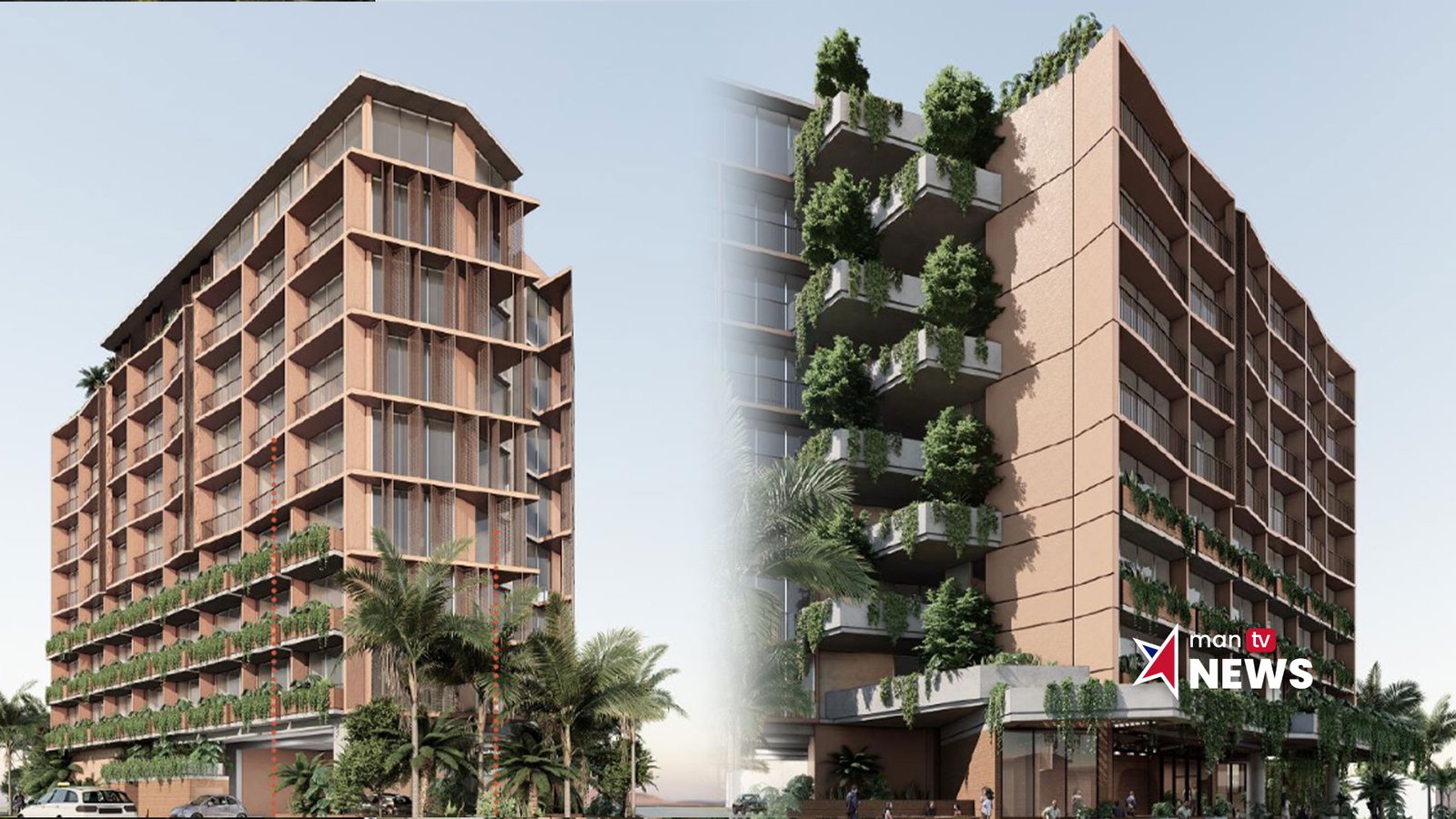
Gold Coast Committee Rejects 109-Unit Affordable Housing Project Amid Height and Parking Feud
The Gold Coast’s Planning and Regulation Committee has rejected a proposal for a major affordable housing development intended to provide transitional and temporary accommodation. The development, which included more than 100 affordable living opportunities, was defeated by the committee in a five-votes-to-two decision, primarily due to concerns regarding building height and car parking provisions. The project is now scheduled for discussion again at the council’s next full meeting.
Details of the Proposed Development
The proposed project sought to establish a 9-storey Rooming accommodation development located at Kiers Road, Miami, Gold Coast. It included a ground-floor Food and drink outlet component. The development was designed to support short to medium term affordable living opportunities for a diverse market. Target occupants included, but were not limited to:
- Transitional or emergency accommodation seekers.
- Low socioeconomic people.
- Students and workers.
- Individuals seeking co-living opportunities.
The design featured 109 rooms, including one room designated for an on-site manager. Each unit was planned to include sleeping facilities, a kitchenette, a bathroom, and a small wardrobe. Shared amenities included a laundry, a recreational area with open space and barbeque facilities, and a gym and work-from-home space located at the rooftop level.
The site is situated in a central and well-serviced area of the city. Key infrastructure nearby includes the Gold Coast Highway (approximately 55 metres to the east), Miami State High School (200 metres to the south), and the Nobbys Neighbourhood centre (300 metres to the north). The site is also within 400 metres of the future Nobby Beach Light Rail Station and Miami North Light Rail Station.
Council Support vs. Committee Rejection
Despite the rejection by the planning committee, Gold Coast City Council officers were supportive of the development, though with conditions. The committee’s rejection was mirrored by significant public opposition. The council received 192 public submissions, consisting of 190 objections and only two in support. The key planning matters raised by the public included land use, character, amenity impacts, car parking, building height, lack of community consultation, and the hours of operation of the food and drink outlet.
Councillor Concerns: Height and Parking
The two key considerations driving the rejection were building height and car parking. Councillors voting against the project voiced strong opinions on both points, particularly how they affected the local neighbourhood context.
Councillor Nick Marshall, who voted against the proposal, stated that the development “fails in terms of height,” noting its “direct impact on the neighbourhood”. Marshall also highlighted that the amenity was “not in context with the local area” and criticized the failure to provide “enough car parks for the use and for the people who are going to use this facility”.
Marshall challenged the assumption that those seeking affordable housing would not own vehicles, noting the existing lack of available street parking in the area. He emphasized that the residents might be people who have a full-time job but are currently living in their car. Marshall concluded that decisions should aim to “reduce the dependency on a private vehicle,” but noted the proposal currently presented an undersupply of car parks.
Councillor J Martin echoed concerns about the structure’s scale, noting that “Height is a key concern, and always is, especially when you talk about community, character and impact on character.” Martin stated the view that the development would “present as a high rise” and disagreed with the council officer assessment. The future of the 109-unit project now rests with the full council, where the matter is set to be discussed again.


 English