





Twenty Years After Cronulla: Fears Australia Could See Another Race Riot
Australia’s multicultural communities are being warned that conditions are emerging that could fuel “another Cronulla-style riot”, as experts mark 20 years since the racist violence that shocked Sydney and the nation in December 2005. Community leaders, researchers and anti-racism advocates say rising anti-immigration rhetoric, online hate and polarised politics risk once again turning beaches and public spaces into flashpoints unless governments, media and police act early to defuse tensions.
20 years since Cronulla
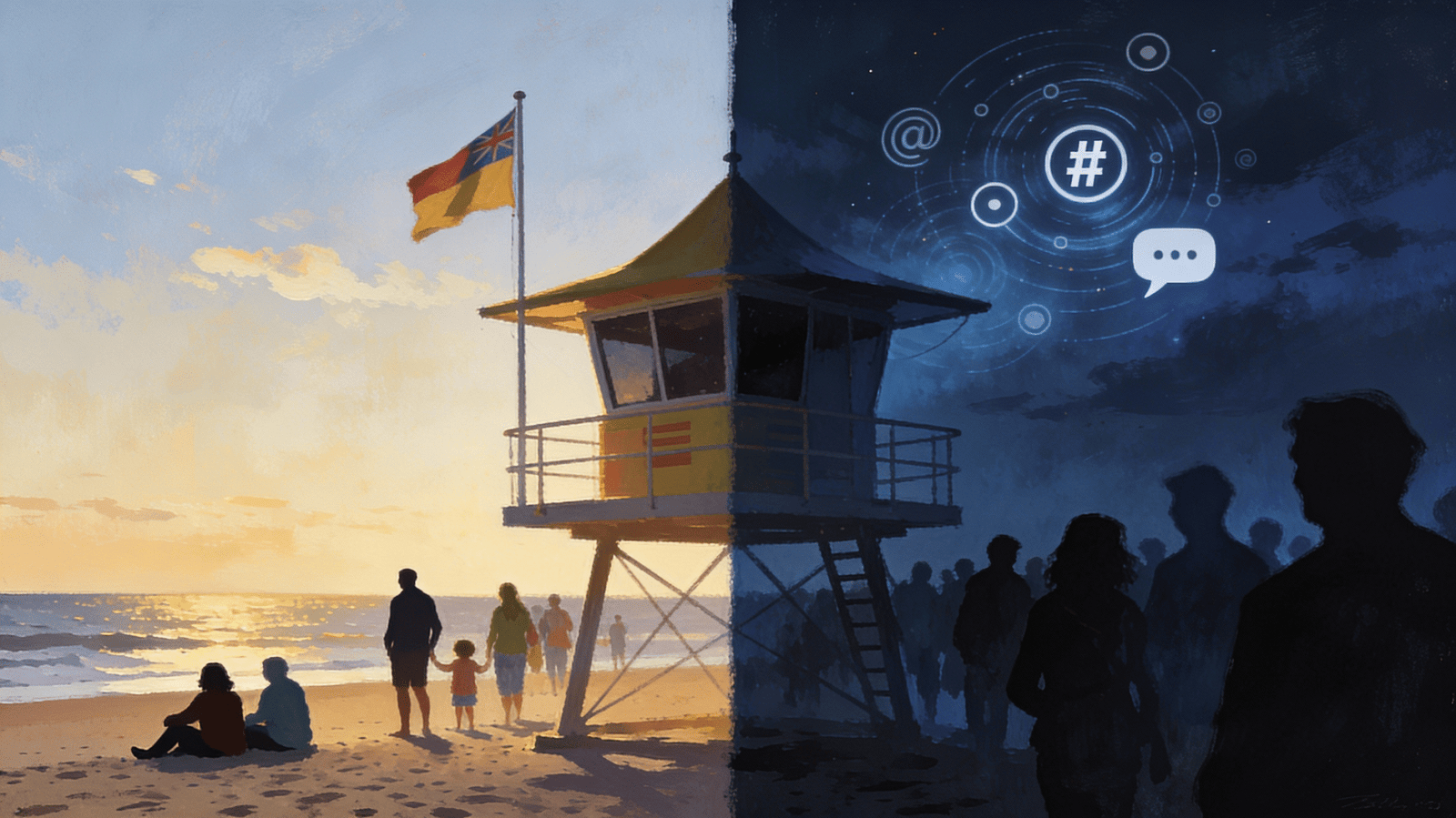
On 11 December 2005, more than 5,000 mostly young Anglo-Australian men gathered at Cronulla Beach in Sydney’s south after weeks of inflammatory text messages and talkback campaigns calling on “local Aussies” to “reclaim the beach” from people of Middle Eastern background. The day descended into alcohol-fuelled mob violence, with people targeted on the basis of their perceived ethnicity, dozens injured, and scores of arrests over two days of clashes and retaliatory attacks across Sydney’s coastal suburbs.
An internal NSW Police review later found that the earlier altercation between lifeguards and a group of young men at Cronulla, often cited as the spark, was no more serious than many other beach incidents, but was exaggerated and distorted in sections of the media and talkback radio. The riots have since been recognised by historians as a defining moment that exposed deep racial tensions and challenged the myth that Australia was immune from organised racist violence.
Warnings about new flashpoints
Two decades on, the Race Discrimination Commissioner and academic experts warn that similar ingredients are again visible: anti-immigration rallies, far-right mobilisation and conspiracy-driven misinformation about migrants and refugees circulating online and on fringe media platforms. They argue that while the targets may shift – from people of Middle Eastern background in 2005 to Muslims, Africans, international students or new humanitarian arrivals today – the underlying narratives of “invasion”, “crime” and “threat” remain consistent.
Researchers note that social media now allows hateful content and dehumanizing language to spread far faster than the chain text messages and talkback segments that helped draw crowds to Cronulla in 2005. This, they say, increases the risk that small confrontations in public places, including beaches, can be rapidly escalated and amplified into broader racialized conflicts before authorities can respond.
Policing, politics and the lessons of 2005
The policing legacy of Cronulla remains contested, with critics arguing that subsequent law-and-order responses, including specialist squads targeting people of Middle Eastern background, have entrenched racial profiling and distrust in Western Sydney communities. Advocates say that if lessons are to be learnt, police must prioritise de-escalation, protect communities from racist violence and build trust with multicultural youth rather than treating them primarily as security threats.
At the political level, commentators warn that leaders who flirt with xenophobic rhetoric or remain silent in the face of race-baiting risk legitimising the kind of hostility that erupted in Cronulla. They argue that strong, consistent condemnation of racism – paired with accurate public information about migration, crime and social cohesion – is essential to preventing a repeat of 2005.
Multicultural communities call for action
Multicultural and faith organizations say the 20th anniversary should be a moment for reflection and renewed commitment to inclusion, not nostalgia or denial. Many point to the way communities rallied to defend places of worship and support victims during and after the riots as evidence that solidarity can counter hate when institutions stand with those under attack.
Community leaders are calling for sustained investment in anti-racism education, youth programs, mental health support and platforms that amplify diverse voices in mainstream media. They stress that beaches and public spaces belong to all Australians – First Nations, long-established communities and new arrivals – and that preventing another Cronulla means treating racism as a national problem, not just a coastal suburb’s shame


 English