






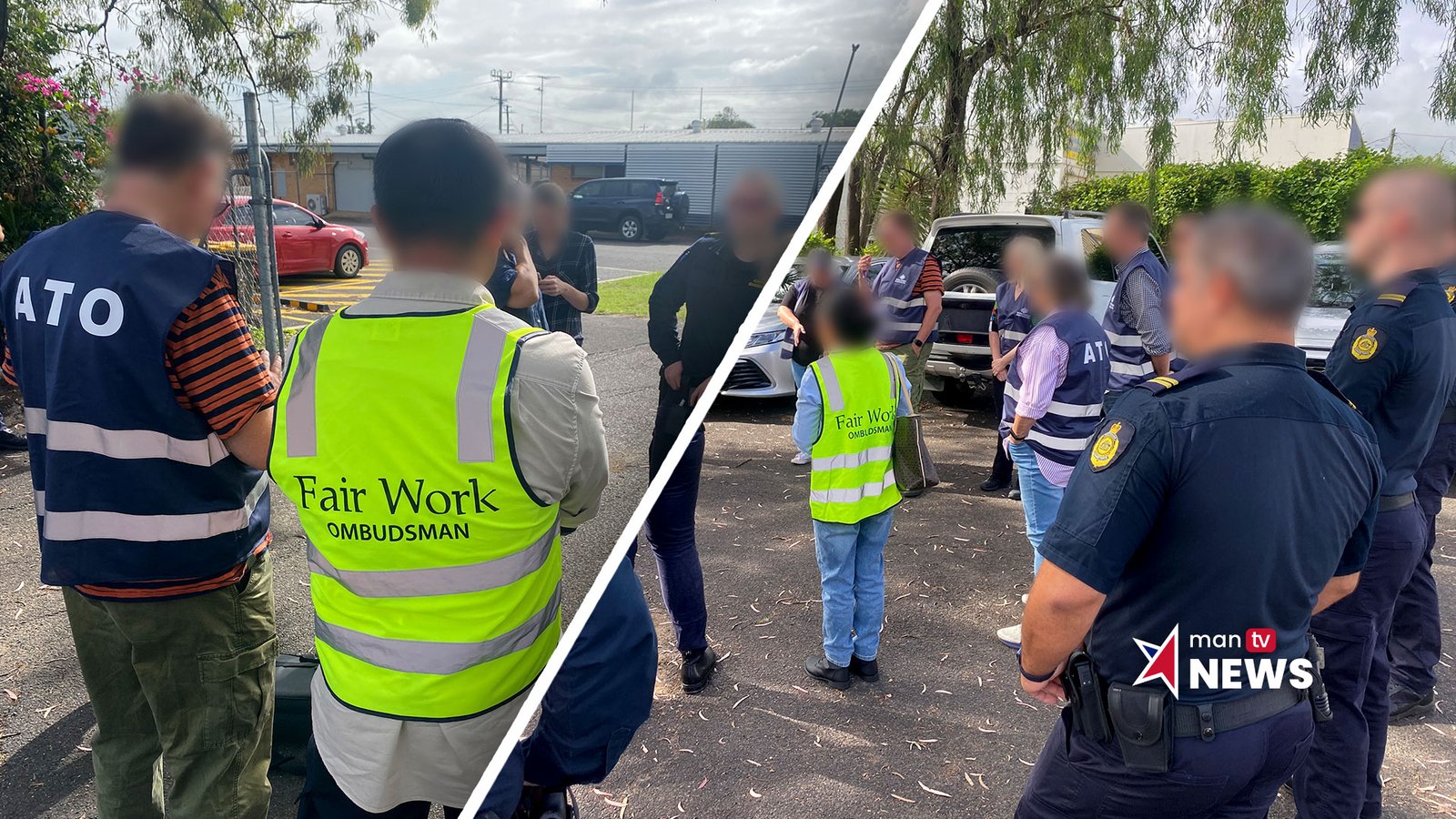
Operation Topaz: The Shadow Economy Uncovered in Gatton
The operation began on 26 November 2025 in the Gatton region of Southeast Queensland, where fields of broccoli, onions, pumpkins, and shallots stretched across the landscape. This was not a typical harvest day, but a joint compliance blitz known as Operation Topaz. Three powerful regulators—the Australian Taxation Office (ATO), the Fair Work Ombudsman (FWO), and the Department of Home Affairs (represented by Australian Border Force (ABF) immigration compliance officers)—had joined forces under the banner of the Shadow Economy Taskforce. Their mission was clear: to investigate labour hire providers and farmers suspected of unlawful conduct, ensuring compliance with relevant tax, super, workplace, and immigration laws.
The regulators executed surprise visits to seven locations. The ATO immediately commenced audits on more than 50 taxpayers. Meanwhile, ABF immigration compliance officers conducted more than 423 immigration status checks.
While ABF Commander John Taylor noted that most businesses and individuals looked at by ABF were compliant, the overall results of the compliance blitz revealed significant breaches across the board.
The Scale of Exploitation
The FWO’s investigations targeted 12 employers, comprising both labour hire contractors and grower employers. The findings painted a stark picture of workplace law non-compliance, particularly among labour hire firms. All eight labour hire providers investigated were found to be non-compliant with workplace laws. Out of the four grower employers investigated, one was also found to be non-compliant. In total, nine of the twelve employers were doing the wrong thing.
Fair Work Ombudsman Anna Booth expressed disappointment regarding the high rate of non-compliance among labour hire providers. Regulators discovered that these breaches included failure to pay casual minimum and overtime rates, failure to pay public holiday rates, and the failure to provide mandatory documents like the Fair Work Information Statement and the Casual Employment Information Statement. Furthermore, three labour hire employers were found in breach of their obligations related to failure to make and keep required employee records and failure to issue pay slips. Ms. Booth emphasized that the failure to issue pay slips and keep records meant workers had no visibility as to whether they were being paid correctly.
The FWO’s swift action resulted in the recovery of nearly $24,000 for 67 workers in the Gatton region. All but one of these 67 workers had been employed by a labour hire employer. The FWO also issued eight Compliance Notices to seven employers and issued Infringement Notices (fines) totalling nearly $18,000 to three labour hire employers. Ms. Booth reminded the community that the FWO expects labour hire employers “to do better in the first place”.
Cheating the System
On the tax front, the ATO’s findings were massive. The audits on more than 50 taxpayers across the seven locations led to liabilities of more than $25 million being raised. Businesses caught in this net of wrongdoing will face significant penalties and interest.
ATO Assistant Commissioner Tony Goding acknowledged that the majority of taxpayers visited were compliant and required no action. However, he warned that it was clear there were “some bad apples who were trying to cheat the system by ripping off workers and the community”. The ATO, Mr. Goding affirmed, will take action to protect workers and honest businesses.
Meanwhile, the Department of Home Affairs found that while most were compliant, some immigration checks led to various referrals to partner agencies for further scrutiny. ABF Commander John Taylor stressed that Australia will not tolerate the exploitation and abuse of its visa programs and that it remains a criminal offence to employ, refer, coerce or contract a non-citizen who doesn’t have the right to work in Australia.
The Future of Enforcement
Operation Topaz was hailed as a successful demonstration of regulator collaboration. However, the regulators made it clear this operation, along with Operation Sentinel (which targeted fast food outlets, restaurants, and cafés in Darwin), is “just the beginning”. Regulators are joining forces across the country to expose businesses that may be ripping off their workers and cheating the community.
The message from the ATO was resolute: Businesses operating in the shadow economy are not only breaking the law but are also undercutting honest businesses and stealing from their employees’ futures. Mr. Goding vowed that the ATO will continue to ensure those doing the wrong thing are found out and held to account.
The success of Operation Topaz relied heavily on the community; tip-offs and shared intelligence helped uncover the exploitation. In fact, reports of suspicious behavior surged in Gatton after the operation. The ATO encourages anyone who thinks a business is ripping off the tax and super system or their workers to report it, noting that they can remain anonymous. Since July 2019, Australians have made over 300,000 tip-offs to the ATO about tax avoidance and other dishonest behaviors.
For migrant workers, who play a key part in the economy, Ms. Booth reminded them that they have the same rights and protections under the Fair Work Act as other employees in Australia, and protections exist for their visa if they report any breaches.


 English