Imagine purchasing what you believe is a 2026 model electric vehicle, only to later discover the vehicle was actually manufactured in 2025.
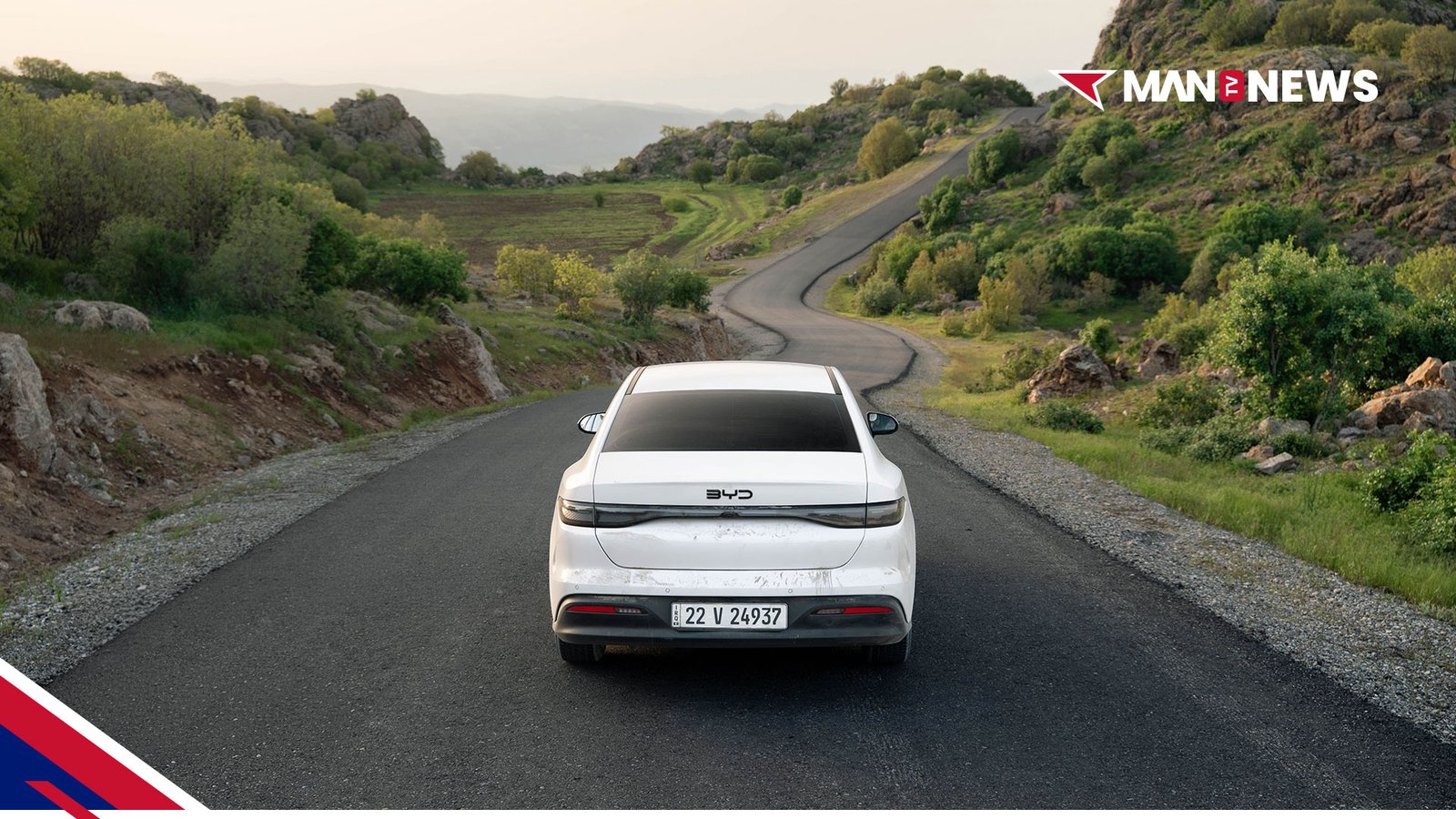
That is the situation facing more than 1,200 Australian customers after Chinese electric vehicle manufacturer BYD confirmed an administrative error resulted in some vehicles being sold with incorrect model year information.
While the company has stated that the affected vehicles are not different in terms of specifications or performance, the issue has raised wider questions about transparency, consumer rights and the potential impact on vehicle value.
According to BYD, 1,265 customers across Australia were affected by the error involving vehicles that were built in 2025 but sold under documentation indicating a 2026 model year.
The company has offered affected customers A$1,100 in compensation, equivalent to the delivery charge associated with the vehicles.
BYD has also provided customers with the option of receiving a full refund if they are not satisfied with the resolution.
The incident has drawn attention to concerns beyond the vehicle itself. Some customers have questioned how incorrect model year information could affect factors such as:
Future resale value
Insurance assessments
Vehicle records
Consumer confidence
The situation has also highlighted the importance of accurate information when purchasing high-value products.
Under Australian Consumer Law, consumers have protections when products or services do not match their description. The Australian Competition and Consumer Commission (ACCC) states that businesses must ensure products supplied to customers are consistent with representations made at the time of purchase.
The ACCC also notes that businesses must not engage in misleading or deceptive conduct or provide false or misleading information about products, including their model, features or specifications.
The regulator has advised that businesses should take appropriate steps to resolve issues directly with affected consumers. Customers who cannot resolve disputes may seek assistance through their state or territory consumer protection agency or report concerns to the ACCC.
The issue comes as BYD continues to grow rapidly in Australia’s electric vehicle market.
The Chinese automaker has become one of the leading players in the global EV industry, competing in a market where trust, transparency and customer confidence are becoming increasingly important.
While the company has moved to compensate affected customers, the incident highlights a broader challenge for manufacturers operating in fast-growing industries:
When consumers make major purchases, accurate information and trust are just as important as the product itself.
Hint: The password should be at least eight characters long. To make it stronger, use upper and lower case letters, numbers, and symbols like ! " ? $ % ^ & ).









 English