






QLD Government will continue its pause on hormone therapies for children and adolescents with gender dysphoria
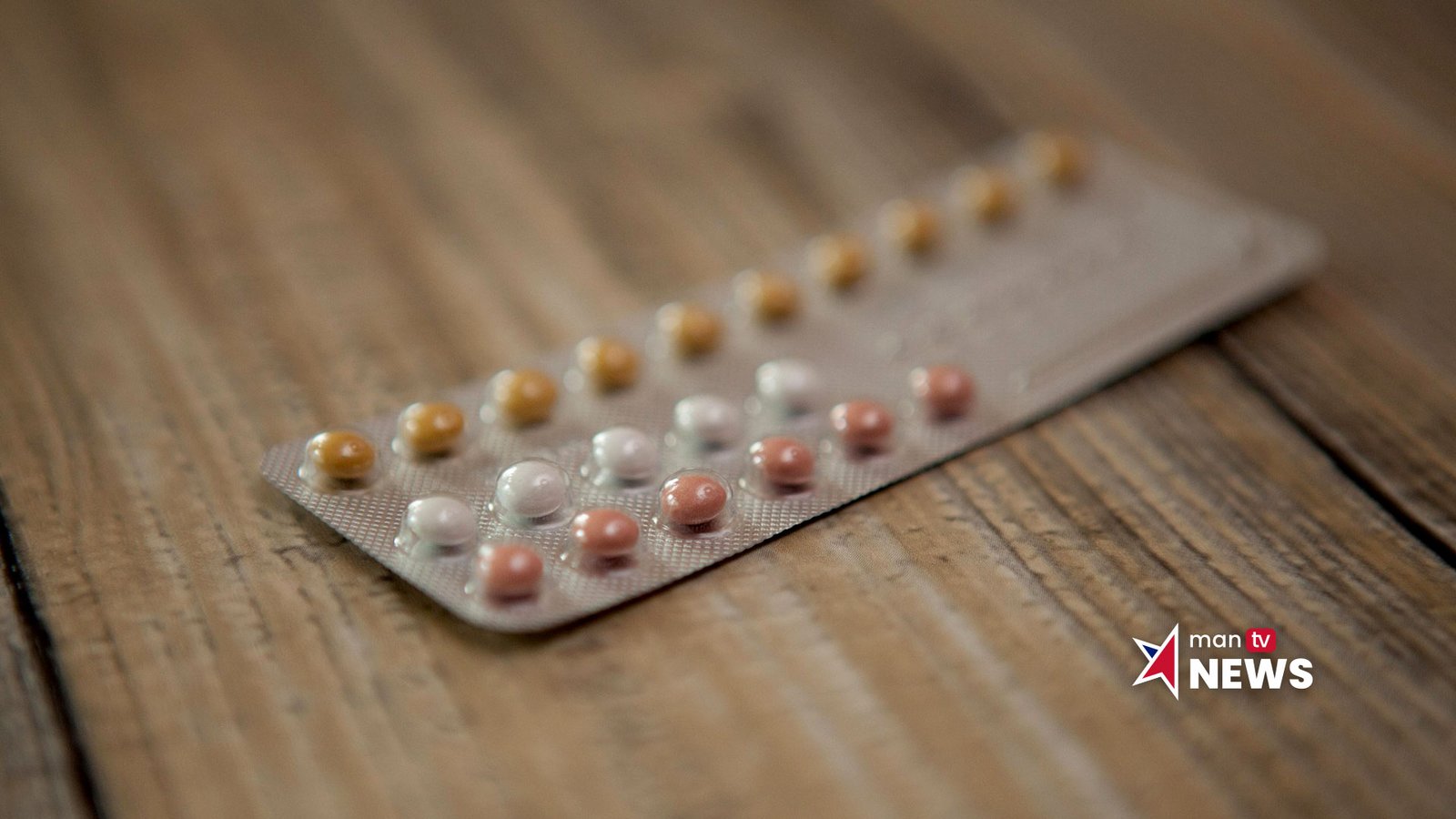
The Queensland Government has confirmed that it will continue its pause on initiating Stage 1 (puberty blockers) and Stage 2 (gender-affirming hormone) therapies for minors with gender dysphoria in the state’s public hospitals, extending the pause until at least 2031.
The announcement follows the release of an Independent Review Advice Report into the use of puberty suppression and gender-affirming hormones for children and adolescents in Queensland’s public health system. The review was led by Professor Ruth Vine, and its findings have now been made publicly available.
Under the decision, no new initiations of Stage 1 or Stage 2 therapies will occur in the public system for minors with gender dysphoria until the results of the UK PATHWAYS Trial, which is currently underway, are known in 2031.
International context and evidence base
In its statement, the Queensland Government noted that similar moves are being made internationally. The United Kingdom has changed legislation to restrict the prescription and supply of puberty blockers to children. Other countries, including France, Finland, Norway, Denmark and Sweden, have also tightened regulations around prescribing hormone therapy for children and adolescents.
At the national level, the Federal Government has also initiated its own review into the provision of care for minors with gender dysphoria, with advice on the use of puberty blockers expected by the middle of 2026.
Queensland’s position, the government says, is grounded in evidence and the best interests of children.
Minister for Health and Ambulance Services, Tim Nicholls, said the review highlighted concerns around the strength and depth of the evidence supporting hormonal treatments for this age group.
“The Review has found that the evidence base underlying the use of Stage 1 and Stage 2 hormone therapy for young people with gender dysphoria is limited, and further, there is a paucity of evidence about other long-term risks or benefits of these treatments,” Minister Nicholls said.
“Cabinet has carefully considered the Review and its policy advice and has decided that the current pause of the initiation of puberty blockers and gender affirming hormone treatment for minors in the public health system for the treatment of gender dysphoria will continue until 2031 at which time the UK’s trial is expected to be completed and results available.”
“This is consistent with the recently announced model for treatment in New Zealand.”
What does this mean for patients?
The Government stressed that existing patients who are already receiving Stage 1 or Stage 2 treatments through Children’s Health Queensland will continue to receive care and will not have their current treatment suddenly withdrawn.
Additionally, children and adolescents with gender dysphoria will continue to have access to non-medical interventions, including:
- Mental health and psychological support
- Social work support
- General wellbeing and family support services
The Government has framed its decision as one focused on ensuring that care delivered to minors in the public system is based on the strongest possible evidence, particularly when it involves interventions that may have long-term health consequences.
“The Government is of the view that it is in the public interest that the provision of health care to children in our public hospitals should be based on the strongest available evidence,” Minister Nicholls said.
The Independent Review and the extended pause are expected to remain points of significant public discussion, as families, clinicians, advocacy groups and community organisations continue to debate how to best support young people experiencing gender dysphoria.
For now, Queensland joins a growing list of jurisdictions taking a more cautious approach to medical interventions for gender dysphoria in minors while awaiting further high-quality, long-term data.


 English